Follow Me On Social Media!

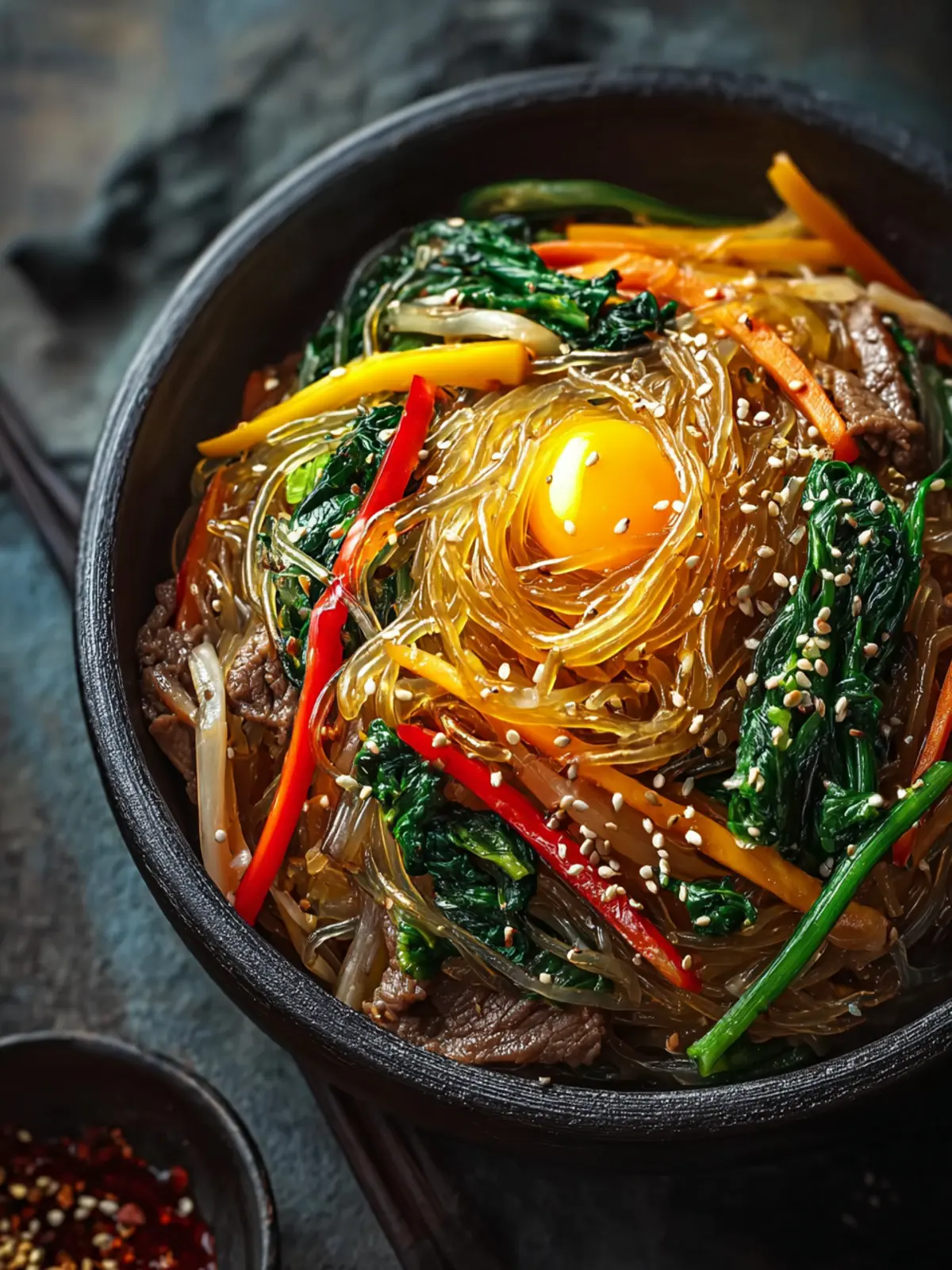
Savory Japchae: Your Best Sweet Potato Noodle Delight!

Introduction to Savory Japchae: Customize Your Sweet Potato Noodle Delight
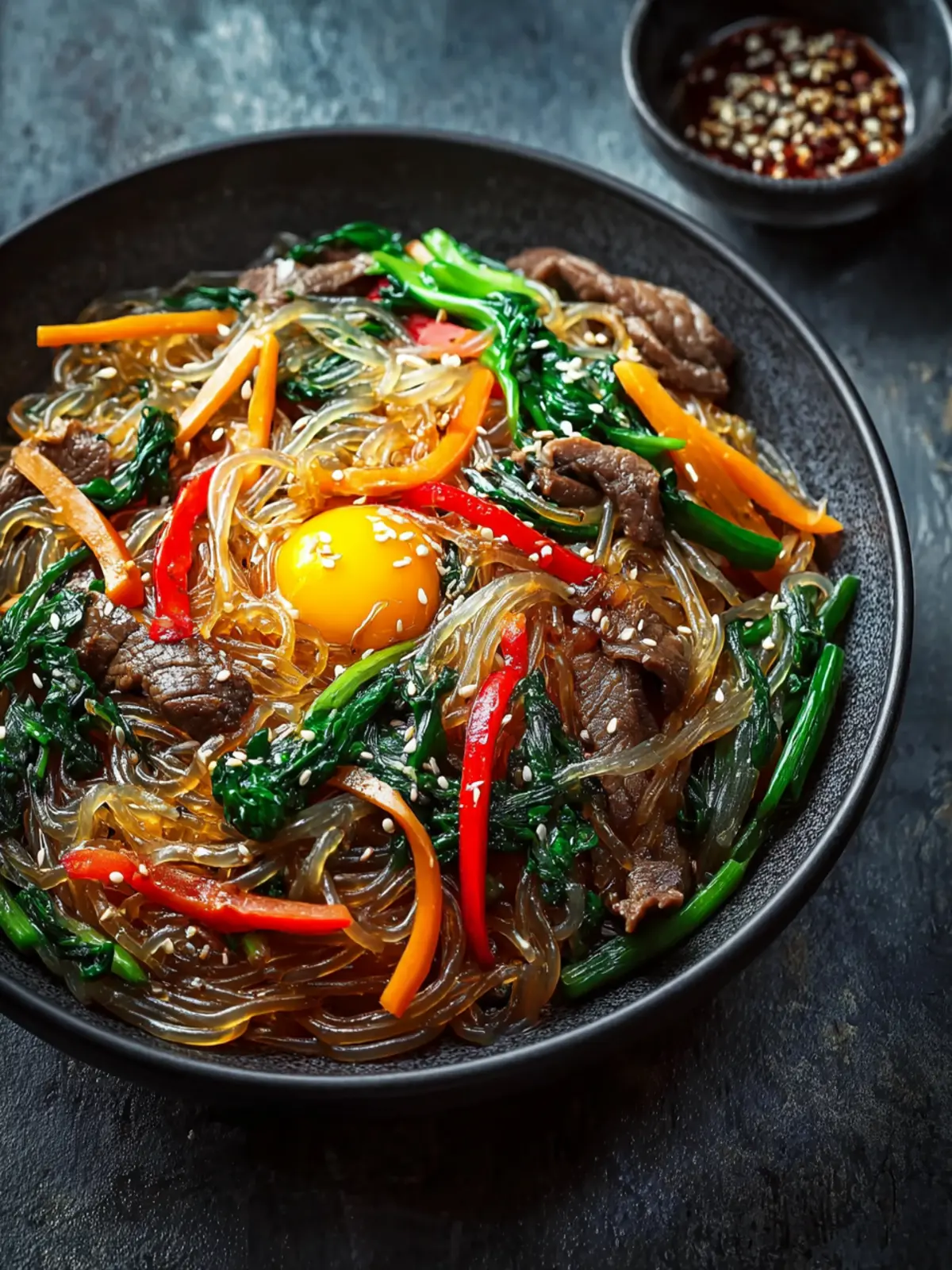
If you’ve never experienced the delightful savory japchae before, let me introduce you to your new favorite dish. Originating from Korea, this vibrant creation transforms sweet potato noodles, also known as dangmyeon, into a culinary masterpiece full of flavor, color, and endless customization possibilities. Every mouthful tells a story, blending wholesome vegetables and whatever proteins your palate craves into a symphony of taste and texture. Imagine gathering around the dinner table with friends or family, each serving a unique version of this savory dish, all while sharing laughter and memories. Now that’s what I call a perfect mealtime!
What makes Japchae a beloved dish?
Savory japchae stands out as a beloved dish for many reasons. Firstly, the sweet potato noodles provide a uniquely chewy texture that sets it apart from other noodle dishes. Unlike traditional wheat noodles, these gluten-free strands soak up the flavors of the accompanying ingredients wonderfully.
Additionally, there’s an element of creativity involved in preparing japchae. Here’s what makes it particularly special:
-
Customizable Ingredients: The beauty of savory japchae lies in personal preference. Whether you prefer tender vegetables like spinach, crunchy bell peppers, or earthy mushrooms, you can easily tailor this dish to your liking. Meat lovers can add beef, chicken, or shrimp, while vegetarians can revel in the colorful medley of veggies.
-
Flavorful Sauce: The dish is usually enhanced with a delightful sauce made from soy sauce, sesame oil, and a pinch of sugar, creating a harmonious balance of salty, sweet, and nutty flavors.
-
Cultural Significance: Japchae is often served during special occasions and celebrations in Korea, symbolizing good fortune and family unity. This cultural backstory adds depth to each delicious bite.
Trying out savory japchae not only fills your stomach but enriches your cooking repertoire. Join me on this culinary journey as we explore the layers of flavor and joy that this dish brings, and get ready to make it uniquely yours!
Key Ingredients for Savory Japchae
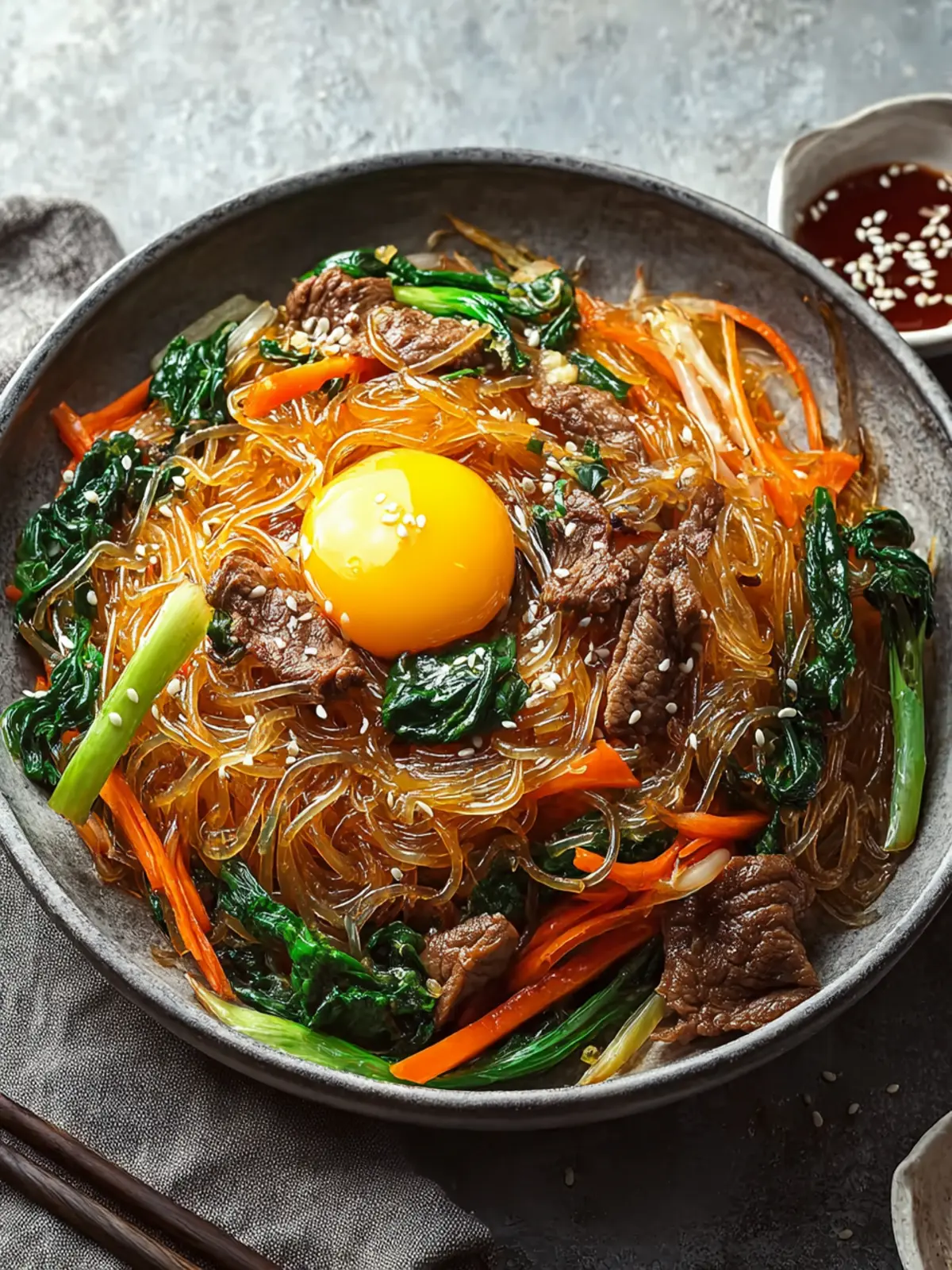
Sweet potato noodles are the star of savory japchae, providing a delightful chewy texture that absorbs the flavors of the accompanying ingredients. The magic lies in the thoughtful combination of fresh vegetables and proteins, creating a balanced, satisfying dish ideal for any occasion.
-
Sweet Potato Noodles: First off, these translucent noodles are made from sweet potatoes, offering a slightly sweet taste and unique texture. They soak up flavors beautifully and give a wonderful chew that is essential to any authentic japchae.
-
Vegetables: A colorful medley of vegetables—think julienned carrots, bell peppers, and spinach—adds both nutrition and visual appeal. Not only do they provide crunch, but they also bring a variety of vitamins to the dish.
-
Proteins: Traditional japchae often incorporates beef or chicken, adding a savory depth to the dish. For a plant-based option, tofu works wonderfully as a protein substitute that complements the noodles perfectly.
-
Soy Sauce and Sesame Oil: These two ingredients are pivotal in developing the rich umami flavor profile of savory japchae. Soy sauce brings saltiness, while sesame oil adds a nutty aroma, elevating the overall dish.
-
Garlic and Onion: Fresh garlic and onion create a fragrant base, enhancing the overall taste. Sauté them before adding other ingredients to unlock their full flavor potential and make your kitchen smell heavenly.
With these key ingredients, preparing a mouthwatering plate of savory japchae becomes an enjoyable culinary adventure that you can easily customize to your liking!
Why You’ll Love This Recipe
Indulging in savory japchae is like experiencing a cozy embrace on a plate. This delightful dish is a staple in Korean cuisine, known for its chewy sweet potato noodles, vibrant vegetables, and a perfect balance of flavors. Each bite transports you to a bustling street market in Seoul, bursting with the sights and sounds of culinary magic.
Endless Customization
One of the best aspects of this savory japchae is its versatility. You can tailor it to your dietary preferences or what you happen to have in your fridge. Craving protein? Toss in some grilled chicken, beef, or tofu. Want extra crunch? Add some fresh bell peppers or snap peas. The possibilities are endless, which makes it perfect for meal prepping or using up leftovers.
Nutrient-Packed Goodness
Each ingredient offers a nutritional benefit. Sweet potato noodles provide carbs and fiber while being gluten-free. The array of colorful vegetables not only enhances the dish’s appeal but also packs in vitamins and antioxidants, making it a wholesome choice for a well-rounded meal.
Quick and Easy Preparation
Life is busy, and so is yours. With straightforward instructions, this recipe allows you to whip up a comforting, homemade meal in no time. Whether cooking for yourself or hosting friends, savory japchae is sure to impress without demanding hours in the kitchen.
Embrace the joy of cooking with this delicious dish that celebrates community, customization, and convenience!
Variations of Japchae
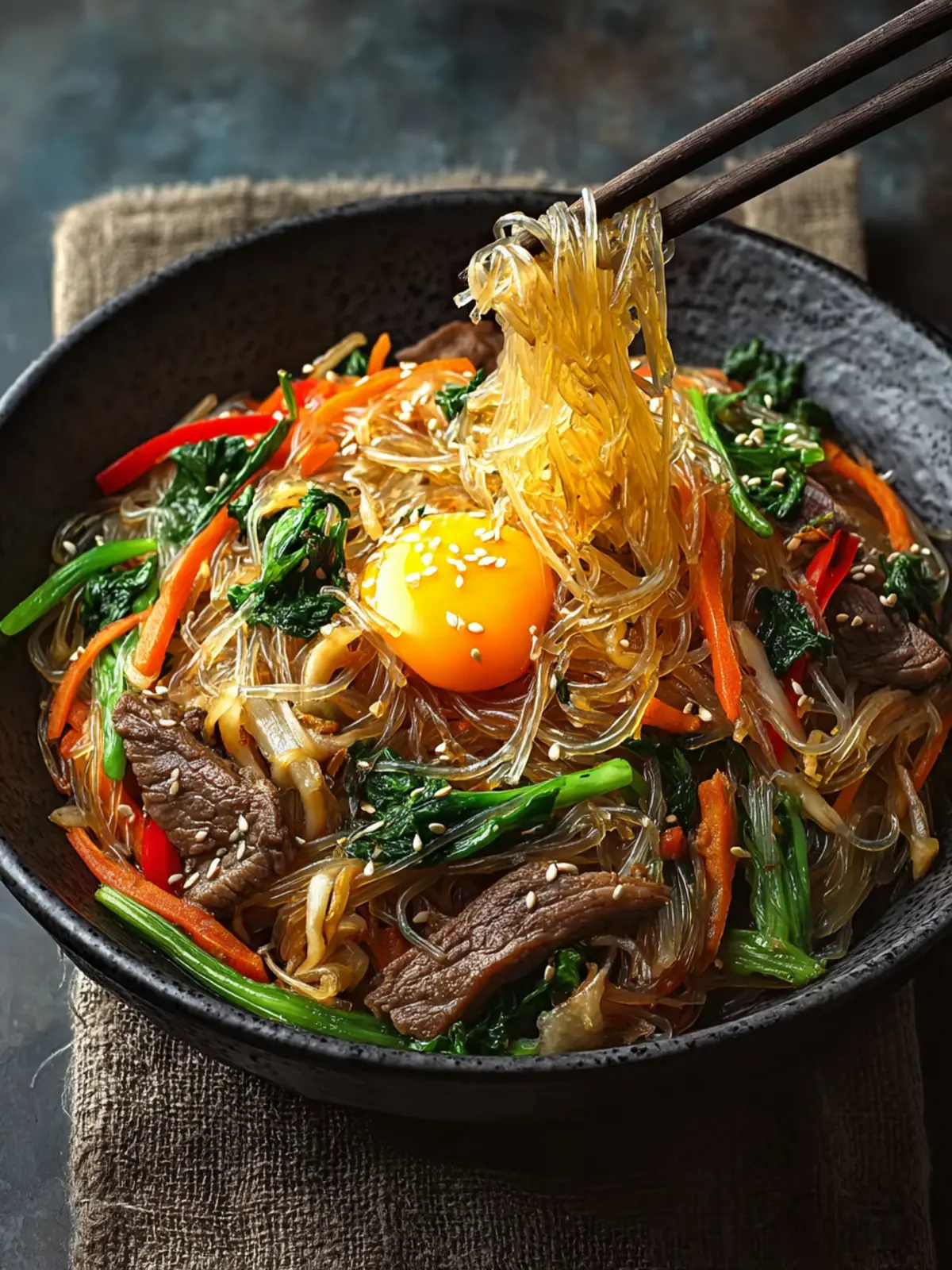
When you dive into the world of savory japchae, the possibilities are deliciously endless! This Korean dish’s unique flavor and texture lend themselves to a variety of customizable interpretations. Embrace your inner chef and tailor it to your tastes or dietary preferences.
Noodle Variations
While traditional japchae uses sweet potato noodles (glass noodles), experiment with alternatives like:
- Rice noodles for a gluten-free option.
- Zucchini noodles for a lighter, veggie-packed twist.
Protein Additions
Enhance your savory japchae by incorporating different proteins:
- Chicken or beef adds a hearty touch.
- Tofu is an excellent choice for vegans, offering a good protein boost while soaking up the dish’s flavors.
Veggie Medley
Feel free to get creative with vegetables:
- Mushrooms (shiitake or button) for an earthy flavor.
- Broccoli or snap peas can add vibrant color and crunch.
- Bell peppers can provide a sweet note and are great for adding some zest.
Sauce Variations
The classic soy sauce and sesame oil mixture is fantastic, but consider these creative alternatives:
- Oyster sauce for a deeper umami flavor.
- Chili paste for those who enjoy a spicy kick.
With these variations of savory japchae, you can whip up a dish that is uniquely yours, packed with flavors that satisfy your taste buds! Explore and enjoy the culinary journey!
Cooking Tips and Notes for Japchae
Creating a delightful plate of savory japchae requires a bit of finesse and a sprinkle of creativity. As you embark on this culinary journey, keep the following tips in mind to perfect your sweet potato noodle dish.
Noodle Preparation
To achieve the ideal texture, do not over-soak your sweet potato noodles (dangmyeon). Aim for the recommended soak time of 30 minutes, which allows them to soften without becoming mushy. After cooking, rinse them under cold water to halt the cooking process and maintain that delightful chewy bite.
Ingredient Substitutions
Feel free to customize your savory japchae with ingredients you love. For a meatier version, consider adding beef or chicken, which enhance the dish’s umami notes. If you’re going vegetarian, mushrooms are a fantastic alternative, providing depth and a hearty texture.
Vegetable Choices
Experiment with a colorful array of vegetables! Carrots, bell peppers, and spinach not only elevate the dish’s aesthetics but also introduce various flavors and nutrients. Just remember to slice your veggies uniformly for even cooking.
Seasoning Wisely
Don’t be shy with the seasoning! Soy sauce is a key player in savory japchae, but remember to taste as you go. This helps achieve a balance between the salty, sweet, and savory notes that define this dish.
Final Toss
Once everything is ready, stir-fry your veggies and noodles over high heat to ensure they’re evenly coated with sauce and flavor. This final toss enhances the dish’s aroma, making it even more irresistible.
By integrating these tips, you’ll create a savory japchae that impresses anyone lucky enough to share your table!
Serving Suggestions for Japchae
When it comes to enjoying savory japchae, you’ll discover that its versatility is part of what makes this dish truly special. This Korean sweet potato noodle dish, infused with rich flavors and textures, can easily adapt to suit various dining occasions or personal preferences.
Pairing with Protein
-
Grilled Chicken or Beef: Adding grilled chicken or marinated beef can transform your japchae into a hearty meal. Their smoky flavors complement the glossy noodles beautifully.
-
Tofu: For a vegetarian twist, crispy pan-fried tofu adds both protein and a delightful crunch that pairs excellently with the tender veggies.
Garden Fresh Additions
-
Side of Kimchi: The spicy, tangy notes of kimchi provide a perfect contrast to the sweet and savory notes of japchae and offer a traditional handling of Korean dining.
-
Fresh Salad: A simple cucumber or seaweed salad can add a refreshing touch and cleanse your palate between bites.
Meal Inspiration
-
As a Lunchbox Treat: Savory japchae is perfect for meal prep! Pack a portion for lunch with some extra veggies on the side to keep it vibrant and healthy.
-
Dinner Gatherings: Serve japchae as a side dish at your next dinner party. Guests will love its unique taste and colorful presentation, making it a conversation starter.
These diverse serving suggestions ensure that your savory japchae remains enjoyable and suited to any occasion, tantalizing taste buds with every bite. Whether it graces your dining table as a main course or a beloved side, the dish proves itself time and again as a reliable choice for satisfying meals.
Time Breakdown for Making Japchae
When it comes to crafting your own savory japchae, timing is everything. Understanding how long each step will take helps you enjoy the process without feeling rushed.
Preparation Time
Setting aside about 20 minutes for prep works wonders. This includes chopping vegetables, boiling the sweet potato noodles, and marinating any proteins you choose to use. Having everything ready makes the cooking process much smoother!
Cooking Time
Cooking takes around 15 to 20 minutes. Once you’re in the swing of things, stir-frying the veggies and noodles is quick and rewarding, allowing the flavors to meld beautifully.
Total Time
In total, expect about 35 to 40 minutes from start to finish. In less than an hour, you can create this delightful dish that’s perfect for both a weeknight dinner and a special occasion!
Nutritional Facts for Savory Japchae
Understanding the nutritional facts of your favorite dishes can help you enjoy them even more guilt-free. Savory Japchae, a delightful mix of sweet potato noodles and vibrant veggies, isn’t just a treat for your taste buds but also holds some great nutritional benefits.
Calories
A serving of savory japchae typically contains about 250-300 calories, depending on the vegetables and proteins you include. This makes it a fantastic option for a light yet satisfying meal.
Protein
You can expect around 8-10 grams of protein per serving if you add tofu, beef, or chicken. It’s a great way to boost your daily protein intake while enjoying a colorful dish.
Sodium
While savory and delicious, watch the sodium levels; a standard serving may contain approximately 600-700 mg. Opt for low-sodium soy sauce to keep it on the healthier side without sacrificing taste. Enjoy your savory japchae with a mindful approach to seasoning!
FAQ about Savory Japchae
Savory Japchae captures the essence of Korean cuisine, transforming simple sweet potato noodles into a delightful dish full of flavors and textures. Whether you’re serving it for a special occasion or a quick weekday dinner, you might find yourself with a few questions. Let’s dive into some common ones.
Can I make Japchae ahead of time?
Absolutely! Savory Japchae is a perfect make-ahead meal. You can prepare the noodles and stir-fry the vegetables and protein in advance. Just keep each component stored separately in the refrigerator and combine them when you’re ready to serve. This not only saves you time but also allows the flavors to meld beautifully.
What are the best protein options for Japchae?
When it comes to proteins, savory Japchae is wonderfully versatile. Here are some options:
- Beef: Thinly sliced beef marinated in soy sauce enhances both flavor and tenderness.
- Chicken: Diced chicken breast is a lighter alternative that holds up well.
- Tofu: For a plant-based option, firm tofu works great, absorbing the delicious sauce.
- Shrimp: If you’re feeling adventurous, shrimp adds a unique touch and quick-cooking advantage.
Mix and match according to your taste preferences!
How do I store leftovers?
Storing leftovers of your savory Japchae is easy! Place any uneaten portions in an airtight container and refrigerate. It’s best consumed within 2–3 days. When reheating, add a splash of water or soy sauce to keep the noodles moist and delicious. Enjoy your meal whenever you crave that delicious taste without the prep work!
Conclusion on Savory Japchae
In wrapping up our journey through savory japchae, it’s clear that this dish is not just about the noodles. The flexibility of sweet potato noodles, combined with your choice of colorful vegetables and proteins, makes it a canvas for creativity in the kitchen. Whether you stick to the traditional recipe or customize it to suit your taste, the delightful mix of textures and flavors offers a unique dining experience. Don’t hesitate to give this dish your personal touch, experimenting with different ingredients and seasonings. The joy of savory japchae lies in its adaptability, inviting you to make it your own.
Print
Sweet Potato Glass Noodles Stir-Fry
- Total Time: 25 minutes
- Yield: 4 servings 1x
- Diet: gluten-free
Description
A delicious and gluten-free stir-fry featuring sweet potato glass noodles and flavorful ingredients.
Ingredients
Scale
- 8 oz Sweet Potato Glass Noodles (Dangmyeon)
- 1 lb Beef (or Chicken/Tofu)
- 2 cups Spinach
- 1 cup Carrots (Thinly sliced)
- 1 cup Bell Peppers (Use a mix of colors)
- 1 medium Onion (Yellow or red)
- 4 tbsp Soy Sauce
- 2 tbsp Sesame Oil
- 2 tbsp Green Onions (Finely sliced)
Instructions
- Soak the sweet potato glass noodles in warm water for about 30 minutes until softened.
- Heat a tablespoon of oil in a large skillet or wok, stir-fry selected protein until golden brown, about 5-7 minutes, and set aside.
- Add a splash more oil if needed, then sauté spinach, carrots, bell peppers, and onions for 3-4 minutes until tender.
- Add softened noodles and cooked protein to the pan. Pour in soy sauce and sesame oil, and toss gently for another 5-7 minutes.
- Taste and adjust seasoning; garnish with green onions before serving warm.
Notes
- This recipe is naturally gluten-free.
- Choose tender cuts of meat for the best results.
- Baby spinach is sweeter than regular spinach.
- Feel free to use tamari instead of soy sauce for a gluten-free option.
- Prep Time: 10 minutes
- Cook Time: 15 minutes
- Category: main course
- Method: stir-frying
- Cuisine: Asian
Nutrition
- Serving Size: 1 plate
- Calories: 350
- Sugar: 3g
- Sodium: 800mg
- Fat: 15g
- Saturated Fat: 2g
- Unsaturated Fat: 10g
- Trans Fat: 0g
- Carbohydrates: 45g
- Fiber: 4g
- Protein: 20g
- Cholesterol: 70mg