Follow Me On Social Media!

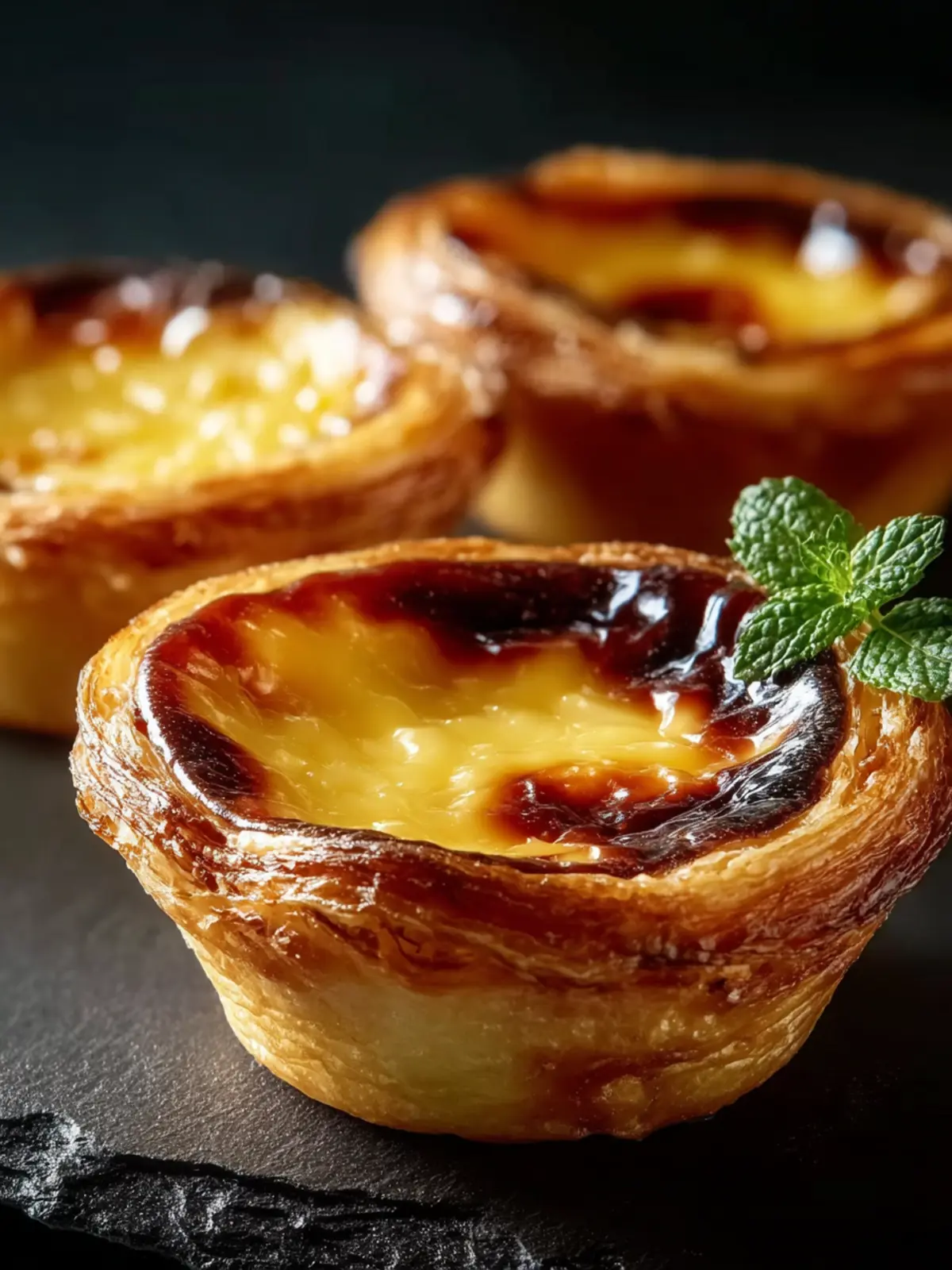
Pastel de Nata: The Best Creamy Custard Tart You’ll Love

Introduction to Pastel de Nata
Pastel de nata, a creamy custard tart nestled in a flaky golden pastry, has captured the hearts and taste buds of sweet enthusiasts around the globe. Originating from the vibrant streets of Lisbon, this delightful dessert tells a story of culinary heritage, blending simplicity with rich flavors that evoke fond memories of bustling cafés and sun-kissed afternoons. Picture yourself savoring each bite while sipping on a strong Portuguese coffee—it’s an experience not just to taste, but to cherish.
Why Pastel de Nata is a Beloved Dessert
The love for pastel de nata goes beyond mere taste; it’s a celebration of tradition and innovation. This pastry’s history dates back to the 18th century, when monks first crafted these tarts as a means to use leftover egg yolks from their daily activities of making wine. Today, they are a staple across Portugal, signifying not just a treat, but a connection to cultural roots.
-
Rich Flavor Profile: The combination of creamy custard and crisp pastry creates a perfect harmony that caters to both texture lovers and flavor seekers. Each bite is a balance of sweet, creamy, and a hint of caramelization from the slight charring on top.
-
Versatile Enjoyment: Whether enjoyed warm, right out of the oven, or at room temperature, pastel de nata brings joy regardless of the setting. It’s perfect for a quick breakfast, an afternoon snack, or as a sweet ending to a sumptuous dinner.
-
Cultural Significance: For many, eating pastel de nata transcends tasting a dessert. It’s about gathering with friends and family, sharing stories over coffee, and producing a sense of community. Let’s face it—who hasn’t felt more connected while indulging in a sweet treat?
As we venture into crafting this beloved dessert at home, you’ll appreciate the simple yet exquisite ingredients that come together to create a culinary masterpiece. Are you ready to dive into this delightful journey of flavors and warmth? Let’s discover how to recreate that wonderful experience in your own kitchen.
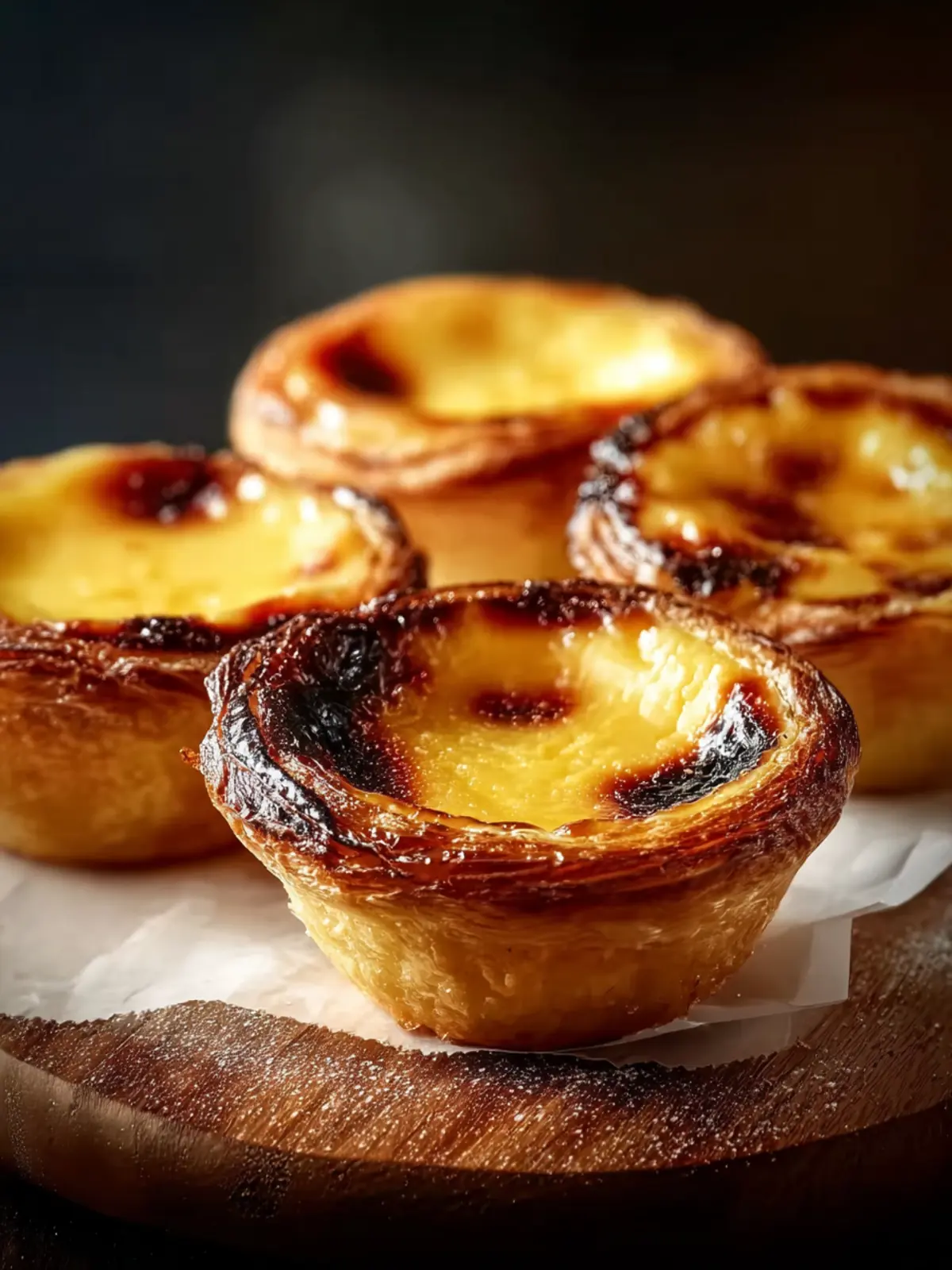
Key Ingredients for Pastel de Nata
Creating the perfect pastel de nata is an art that begins with selecting the right ingredients. Each element contributes to the delightful combination of textures and flavors that make these Portuguese custard tarts so irresistible.
-
Puff Pastry: The foundation of any great pastel de nata is its flaky, buttery puff pastry. I recommend using high-quality store-bought puff pastry for convenience, but if you’re feeling adventurous, making it from scratch can yield even better results. Just be sure to allow it to chill properly!
-
Egg Yolks: The creaminess of your custard hinges on the richness of egg yolks. Using fresh, large egg yolks gives you the best flavor and a velvety texture that’s essential for that melt-in-your-mouth experience.
-
Sugar: Granulated sugar is a must, but don’t forget to balance it with a touch of powdered sugar for that perfect sweetness in the custard. It helps in achieving that silky smooth texture.
-
Milk and Cream: A mixture of whole milk and heavy cream creates the ideal rich custard base. Whole milk adds creaminess while the heavy cream provides that luxurious touch.
-
Vanilla: A splash of vanilla extract elevates the custard’s flavor profile. It introduces subtle notes that harmonize beautifully with the buttery pastry.
-
Cinnamon (optional): While not traditional, a hint of cinnamon can add a delightful warmth to the custard. If you’re a fan of spices, consider a sprinkle on top before serving for a charming finish.
Pulling these ingredients together is the secret to baking authentic pastel de nata that impresses with every bite.
Why You’ll Love This Pastel de Nata
Every bite of Pastel de Nata tells a story, a sweet tale that dates back to the vibrant streets of Lisbon. This is not just a dessert; it’s a mouthwatering experience that transports you to sun-kissed mornings in Portugal where these delectable custard tarts are enjoyed fresh from the oven. With their perfectly flaky layers and rich, creamy filling, it’s easy to see why this treat has captured the hearts of dessert lovers around the world.
The Magic of Homemade Pastel de Nata
Creating Pastel de Nata at home is a delightful adventure that rewards you with not just a treat, but a sensory celebration. The first thing that might captivate you is the aroma wafting through your kitchen as the tarts bake. That sweet scent of caramelizing sugar and spiced custard is practically irresistible.
The satisfaction of whisking your egg yolks, sugar, and cream together to create that velvety custard cannot be overstated. It’s the kind of process that turns an ordinary day into a special occasion. Plus, there’s something so fulfilling about crafting every flaky layer of pastry, from rolling and folding to shaping your tarts.
Whether you’re surprising friends at brunch or enjoying a quiet moment with a cup of coffee, these Pastel de Nata will add a spark of joy to your day. You’ll soon find that making them is just as delightful as devouring them, making this recipe a worthwhile addition to your culinary repertoire.
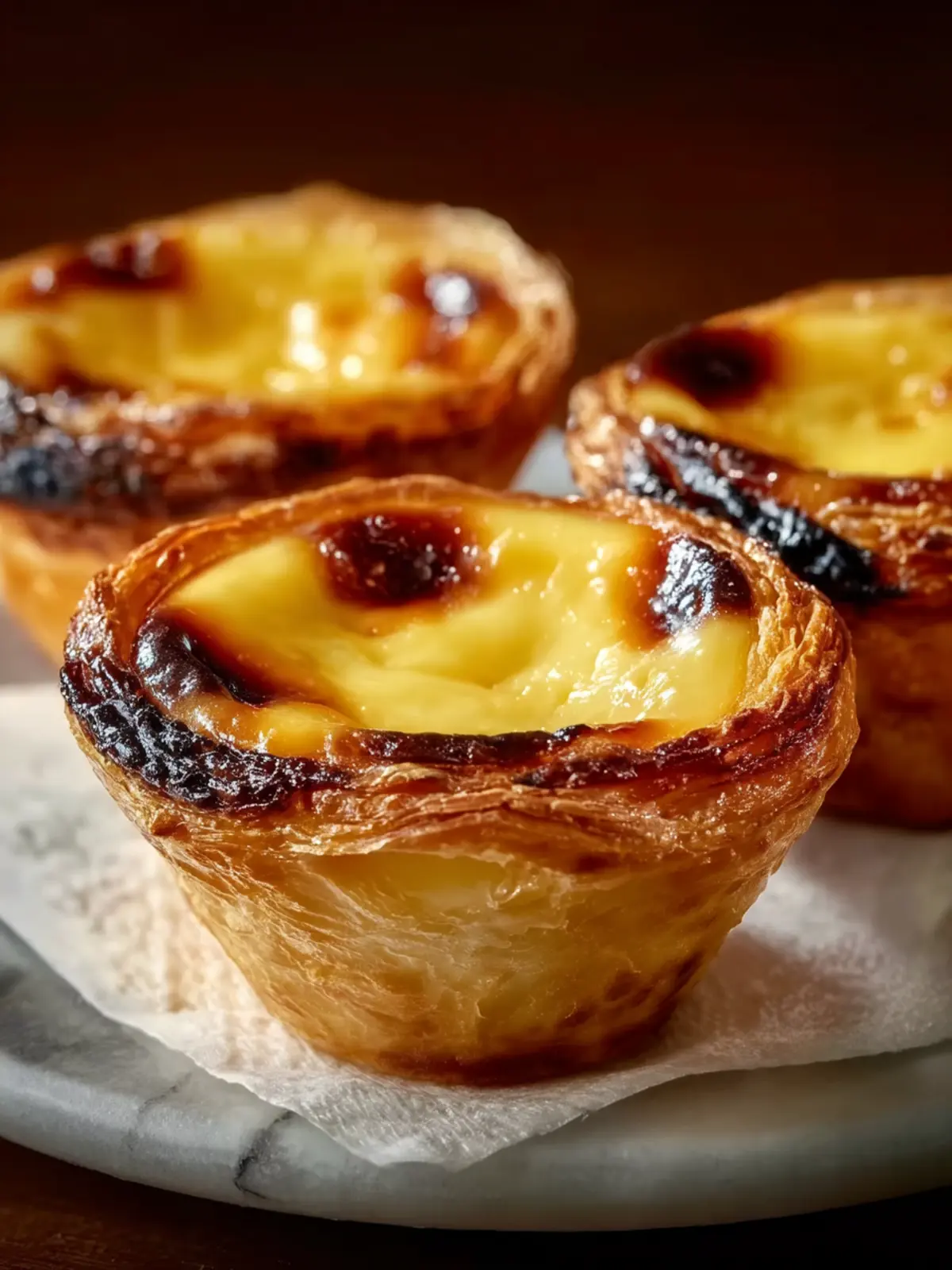
Tips for Making Perfect Pastel de Nata
Creating the ultimate Pastel de Nata at home can be an exciting culinary adventure. To ensure your custard tarts turn out wonderfully buttery and creamy every time, here are some valuable tips to keep in mind.
Common Mistakes to Avoid
-
Improper Pastry Handling: One of the most critical aspects of making Pastel de Nata is handling the puff pastry correctly. Avoid overworking the dough, as this can lead to a tough texture. Instead, handle it gently and let it rest in the fridge if it becomes too warm.
-
Skimping on Baking Time: Achieving that perfect golden brown color on top of your tarts is essential. Don’t be afraid to bake them longer than you think. A well-caramelized top adds depth and enhances the flavor.
Essential Techniques
-
Perfecting the Custard: When making the custard, be sure to temper the eggs by gradually adding the hot milk mixture. This technique prevents the eggs from curdling and results in a smooth filling.
-
Preheating the Oven: For the best results, make sure your oven is fully preheated. A hot oven creates that nice puff in the pastry and helps the custard set quickly, resulting in a perfectly baked Pastel de Nata.
By following these tips and techniques, you’ll be well on your way to mastering this beloved Portuguese treat. Happy baking!
Time Breakdown for Pastel de Nata
Creating the perfect pastel de nata is a delightful journey that requires a little time and patience. Each step contributes to the rich flavors and textures that make these Portuguese custard tarts so irresistible.
Preparation time
Before you dive into baking, set aside about 30 minutes to prepare the pastry. This allows you to roll out the dough and chill it properly, ensuring it becomes wonderfully flaky.
Baking time
Once your pastries are filled with that creamy custard, the baking process takes around 20 to 25 minutes. This is when the magic happens—the edges turn perfectly golden while the filling achieves that iconic, slightly caramelized top.
Total time
All said and done, you’re looking at about 1 hour for the entire process, including both preparation and baking. The time spent is well worth it for a batch of fresh, delectable pastel de nata that will have everyone coming back for seconds!
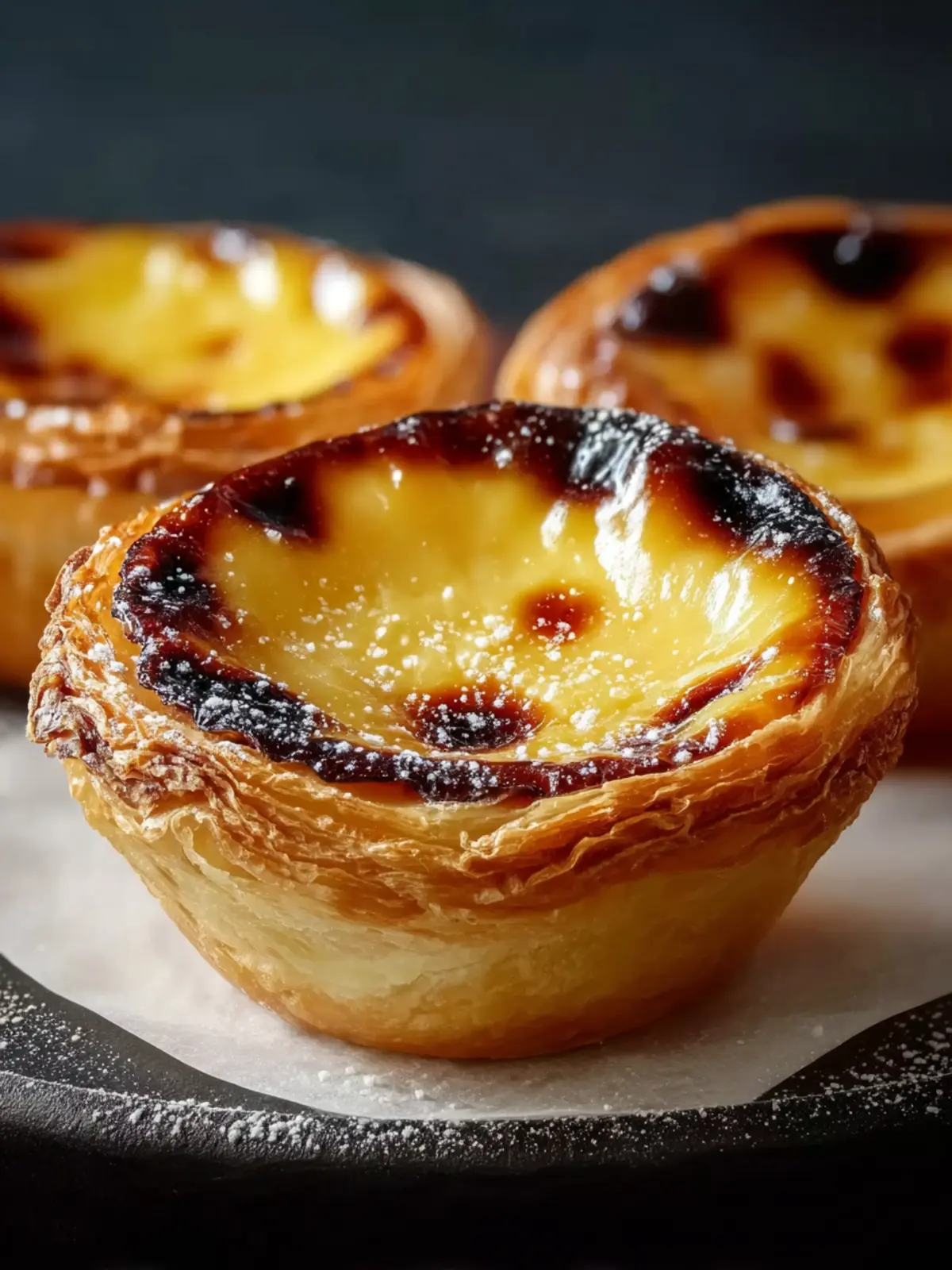
Nutritional Information for Pastel de Nata
Understanding the nutritional information behind a classic treat like pastel de nata can help you enjoy it guilt-free. Let’s break down what’s in these delicious little pastries.
Calories
Each pastel de nata typically contains around 200 calories. This makes it a delightful snack option while keeping your daily calorie intake in check.
Sugar Content
With about 10 grams of sugar per pastry, these treats strike a balance between sweetness and flavor. The sugar contributes to the rich custard filling that makes each bite a pleasure.
Protein
Each pastel de nata offers approximately 4 grams of protein. While they’re not a primary protein source, the combination of eggs and milk in the filling helps to give you a little boost, making these pastries a satisfying pick-me-up.
By savoring a pastel de nata, you’re not just indulging your sweet tooth—you’re also enjoying a treat that’s thoughtfully crafted in terms of nutrition!
FAQs about Pastel de Nata
When diving into the world of Pastel de Nata, it’s common to have queries that pop up regarding this delectable Portuguese pastry. Here are some of the most frequently asked questions to guide you through your baking adventure.
Why do my Pastel de Nata not bubble and brown?
If your Pastel de Nata isn’t achieving that delightful, bubbly, and brown top, a few factors could be at play. Firstly, ensure you’re using a hot enough oven. The high temperature (around 250°C or 482°F) is crucial for that characteristic caramelization. Additionally, check that your custard mix has enough sugar; it contributes to the browning process. Lastly, pre-baking your pastry shells can help create a nice crust, which allows them to rise and bubble.
Can I use store-bought custard?
Using store-bought custard for your Pastel de Nata is certainly an option if you’re short on time or don’t feel up to making your own. However, homemade custard often yields a richer flavor and creamier texture that brings authenticity to your pastries. If you opt for store-bought, look for a high-quality custard to get as close to the traditional taste as possible.
How do I store leftover Pastel de Nata?
If you find yourself with extra Pastel de Nata, storing them correctly is key to enjoying them later. Allow them to cool completely, then place them in an airtight container in the refrigerator. They are best consumed within two days. Reheating in the oven at a low temperature for about 5-10 minutes can help restore some of their original texture and flavor when you’re ready for another treat.
Conclusion on Pastel de Nata
A recap of this delightful Portuguese treat
In the world of desserts, few can match the charm of the pastel de nata. Originating from the vibrant streets of Portugal, these creamy custard tarts have a flaky, golden crust that cradles a rich, sweet filling. Each bite transports you to a sun-soaked café in Lisbon, where the aroma of freshly baked pastries envelops you. Perfect for brunch or as a sweet afternoon pick-me-up, making your own pastel de nata can be an enjoyable culinary adventure. So roll up your sleeves, gather your ingredients, and enjoy the delightful experience of crafting this beloved treat in your own kitchen!
Print
Pastéis de Nata
- Total Time: 47 minutes
- Yield: 12 tarts 1x
- Diet: Vegetarian
Description
A delicious Portuguese custard tart with a flaky pastry base.
Ingredients
Scale
- 1 cup whole milk
- 1 tablespoon all-purpose flour
- 1 cup granulated sugar
- ½ cup water
- 6 large egg yolks
- 1 cinnamon stick
- 1 strip of lemon peel
- 1 sheet puff pastry (thawed if frozen)
- Powdered sugar for dusting (optional)
- Ground cinnamon for dusting (optional)
Instructions
- Prepare the Puff Pastry Base – Start by lightly flouring your surface and rolling out the puff pastry sheet to smooth the seams. Roll it tightly into a log shape, then slice into 12 equal pieces. Press each round into a muffin tin, using your thumbs to mold it up the sides. Chill while you make the filling. Tip: The spiral pattern you create when rolling the pastry gives that iconic flaky swirl when baked.
- Make the Custard Filling – In a saucepan, whisk the flour and a bit of milk until smooth. Add the remaining milk, cinnamon stick, and lemon peel. Heat over medium, stirring constantly until thickened. In another saucepan, bring the sugar and water to a boil and let it bubble for 3 minutes—no stirring. Remove both from heat and discard the cinnamon and lemon peel. Let the milk mixture cool slightly. Whisk the egg yolks in a bowl, then slowly add both the sugar syrup and the milk mixture, whisking continuously to avoid scrambling the eggs.
- Fill and Bake – Preheat your oven to 500°F (or as high as it will go). Fill each pastry cup with custard—about three-quarters full. Bake for 15–17 minutes, or until the custard bubbles and blackens slightly on top, and the edges of the pastry are golden brown.
- Cool and Serve – Let the Pastéis de Nata cool slightly before removing them from the tin. Dust with cinnamon and powdered sugar if desired, and serve warm.
Notes
- This recipe yields approximately 12 tarts.
- Be careful not to overcook the custard to avoid curdling.
- Prep Time: 30 minutes
- Cook Time: 17 minutes
- Category: Dessert
- Method: Baking
- Cuisine: Portuguese
Nutrition
- Serving Size: 1 tart
- Calories: 200
- Sugar: 12g
- Sodium: 100mg
- Fat: 10g
- Saturated Fat: 5g
- Unsaturated Fat: 5g
- Trans Fat: 0g
- Carbohydrates: 25g
- Fiber: 1g
- Protein: 3g
- Cholesterol: 100mg