Follow Me On Social Media!


English Muffins Made Easy: Your Perfect Breakfast Delight

Introduction to English Muffins
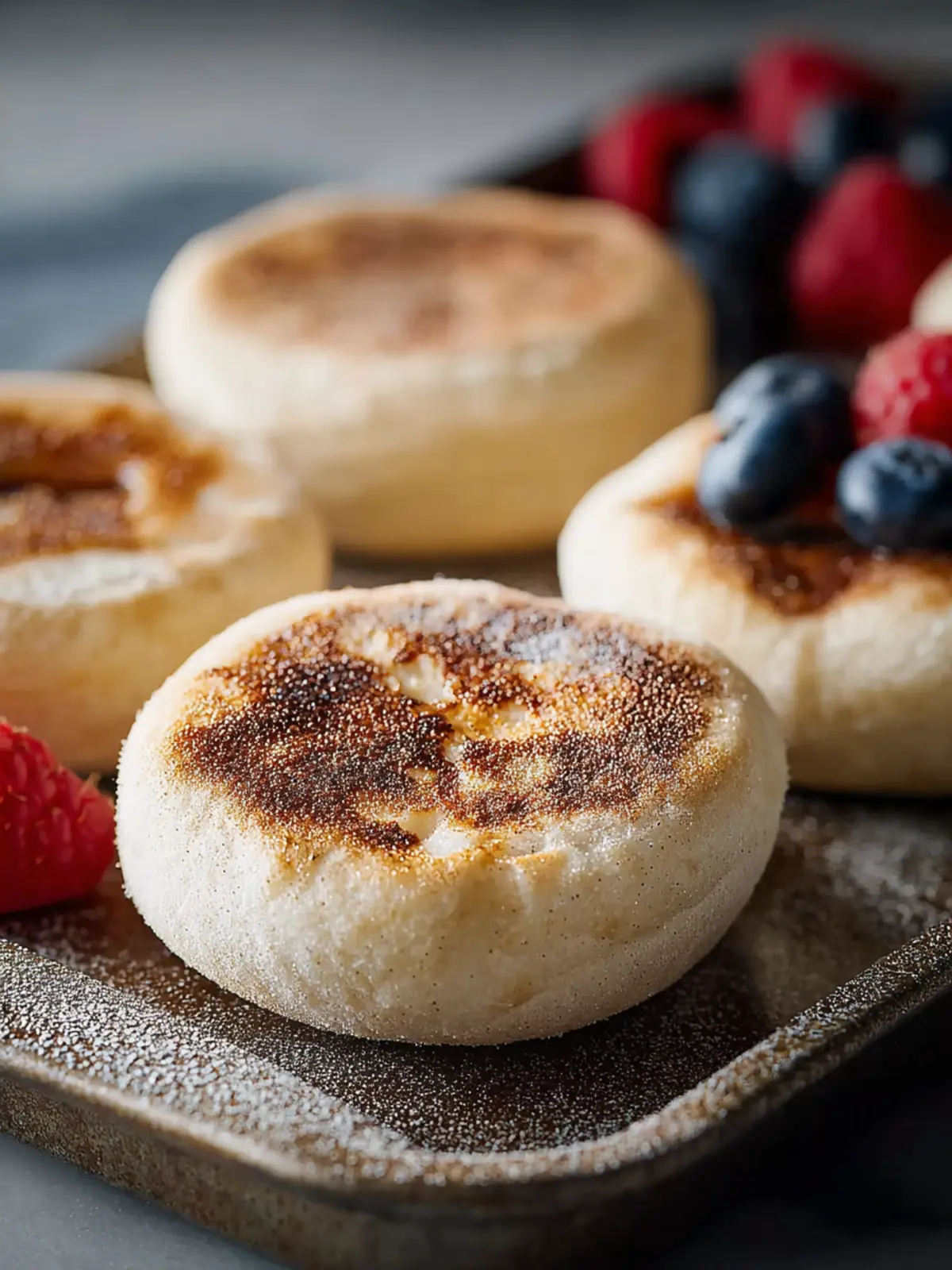
Imagine waking up to the delightful aroma of freshly baked English muffins wafting through your kitchen. That warm, golden goodness not only sounds enticing but also serves as the perfect canvas for a variety of toppings. From classic butter and jam to creative avocado spreads or perfectly cooked eggs Benedict, these muffins can elevate your breakfast experience in ways you never thought possible. Making your own English muffins is both satisfying and surprisingly simple, allowing you to enjoy that homemade touch any time of the day.
Creating your own English muffins at home offers numerous benefits. For one, you get to control the ingredients, ensuring everything is fresh and free from preservatives. This can be a game-changer if you’re trying to eat healthier. Plus, there’s something incredibly rewarding about pulling apart a freshly baked muffin, revealing its lovely nooks and crannies, perfect for holding toppings.
Why English Muffins Are the Perfect Homemade Breakfast
English muffins excel as a breakfast option because they are versatile, quick to prepare, and ridiculously easy to customize. Here are a few reasons why they should be on your breakfast menu:
-
Customization: Top them with your favorites. Whether you’re a peanut butter fanatic or a cream cheese lover, the possibilities are endless. You can even experiment with savory toppings like smoked salmon or fresh herbs.
-
Healthy Options: Homemade English muffins can be made healthier than store-bought varieties. You can use whole-grain flour or incorporate seeds and oats into your dough.
-
Perfect Portions: They are just the right size for a satisfying meal or snack. Pair them with a piece of fruit or a smoothie for a balanced start to your day.
-
Great for Meal Prep: You can make a batch on the weekend and freeze extras for quick breakfast options throughout the week.
Are you ready to get started? Your adventure into the world of homemade English muffins awaits, and I promise it will be worth the effort!
Key Ingredients for English Muffins
Flour: For perfectly fluffy English muffins, all-purpose flour is my go-to. It provides enough structure while keeping the texture light. If you prefer a heartier muffin, you can also use whole wheat flour, but remember to adjust the liquid slightly to maintain consistency.
Yeast: The magic ingredient! I use active dry yeast, which helps our English muffins rise beautifully. A quick proof in warm water and sugar activates it, ensuring a deliciously airy bite that you crave.
Milk: Whole milk adds richness and moisture to the dough, making each muffin tender. If you’re dairy-free, unsweetened almond milk works just as well without compromising texture or flavor.
Sugar: A touch of sugar feeds the yeast and balances the flavors. I stick to granulated sugar, but feel free to experiment with honey or maple syrup for a unique twist.
Salt: Essential for flavor, salt enhances all the other ingredients and helps regulate yeast activity, which is crucial for a perfect rise. It’s a little ingredient that packs a big punch!
Why You’ll Love This Recipe
Creating homemade English muffins is more than just following a recipe; it’s about savoring the delightful journey that accompanies each step. Picture this: the smell of warm dough rising in your kitchen, promising soft, golden treats that transform breakfast into a cherished moment.
-
Fresh and Flavorful: Unlike store-bought varieties, these English muffins bring a distinct freshness to your table. With just a handful of ingredients, each bite bursts with a rustic flavor that’s hard to resist.
-
Versatile and Customizable: Whether you enjoy slathering them with butter and jam, or using them as a base for eggs Benedict, these English muffins adapt perfectly to your cravings. Add herbs, spices, or even cheese to the dough for a personalized twist.
-
Fun to Make: This recipe encourages you to roll up your sleeves and dive into the world of baking. The satisfaction of crafting your own breakfast staples is unbeatable. Plus, the process is simple enough for you to involve friends or family, making it a fun weekend project.
So, why not take a step away from routine breakfasts? With this recipe, you can enjoy the mouthwatering taste of homemade English muffins that’ll undoubtedly become a staple in your kitchen.

Variations to Try
English muffins are a delightful canvas, inviting you to experiment with flavors and fixings to suit your mood. Why stick to the classic when there’s an exciting world of variations to explore?
Sweet Additions
Think beyond the savory. Incorporate ingredients like:
- Dried Fruits: Raisins, cranberries, or even chopped dates can add a hint of natural sweetness.
- Spices: A dash of cinnamon or nutmeg can turn your english muffins into a delightful breakfast treat. Pair them with honey for an indulgent touch.
Savory Twists
Elevate your morning with savory flavors by:
- Herbs and Garlic: Mix in fresh herbs like rosemary or thyme, or add minced garlic to the dough for a fragrant addition.
- Cheese: Consider cheddar or feta for a melted, gooey surprise when you toast your muffin halves.
Unique Toppings
Once baked, let your creativity shine through toppings:
- Avocado Toast: A trendy twist where smashed avocado meets a sprinkle of chili flakes and lime.
- Smoked Salmon: Elevate brunch with cream cheese, capers, and a slice of smoked salmon atop your toasted english muffins.
Embrace these variations, and you’ll find that each batch can be an entirely different culinary adventure!
Cooking Tips and Notes
Crafting English muffins at home is not just about following a recipe; it’s about diving into a delightful baking adventure. Each little muffin offers a perfect canvas for your breakfast creations or snacks, and there are a few tips to elevate your baking experience.
The Perfect Mix
-
Flour: Opt for bread flour if you’re aiming for that soft, chewy texture. The higher protein content provides a delightful crumb that you’ll appreciate as you toast your muffins.
-
Yeast: When using active dry yeast, make sure to activate it in warm water. This step not only ensures your yeast is alive but also results in a more fluffy muffin.
Dough Handling
-
Kneading: If you find that your dough is sticking, a light dusting of flour will help. Remember, don’t over-knead; you want just enough gluten development to create that beautiful texture without making them tough.
-
Rising: Let the dough rise in a warm spot; this can be as simple as placing it in the oven (turned off) with a bowl of hot water to create humidity. This little trick promotes a better rise.
Cooking Technique
- Griddle Cooking: A cast-iron skillet is ideal for cooking English muffins. It distributes heat evenly and helps achieve that perfectly golden crust while maintaining a soft interior.
Embrace these tips to make your English muffins truly special. When they come out of the oven, golden and warm, you’ll realize there’s no match for the joy of homemade breakfast treats. Happy baking!

Serving Suggestions
Finding the perfect way to enjoy your English muffins can transform a simple breakfast into something truly delightful. With their warm, toasty texture, these muffins serve as a versatile canvas for various toppings and combinations.
Breakfast Bonanza
Start your day off right! Toast your English muffins until golden brown and generously spread with butter or cream cheese. For a gourmet twist, top with:
- Avocado slices sprinkled with salt and pepper.
- Smoked salmon and a dollop of caper cream.
Sweet Cravings
If you’re in the mood for something sweet, consider spreading a thin layer of fruit preserves or honey. You could also whip up a quick:
- Nut butter, such as almond or peanut, topped with sliced bananas.
- Cinnamon sugar mixture for a cozy treat, perfect with your morning coffee.
Lunch and Beyond
Don’t let the fun stop at breakfast! Use split English muffins as a base for a quick lunch. Try these ideas:
- Build a mini pizza with marinara sauce, cheese, and your favorite toppings. Bake until bubbly.
- Make a “muffin sandwich” with layers of turkey, cheese, spinach, and mustard for a quick and satisfying meal.
Experiment with these serving suggestions and let your imagination flow, because English muffins are not just a breakfast item; they’re a culinary experience waiting for you to explore!
Time Breakdown for English Muffins
Creating english muffins at home is a rewarding experience that makes breakfast feel extra special. Understanding the time investment will help you plan for a delightful morning treat.
Preparation Time
Setting aside about 15 minutes for preparation ensures you have everything measured and ready. This includes mixing the ingredients, kneading the dough, and allowing it to rise.
Cooking Time
Once your dough has risen, you’ll want about 15-20 minutes for cooking. The warm, golden muffins will need a bit of time on the griddle to achieve that perfect, crusty exterior.
Total Time
In total, plan on approximately 1 hour and 30 minutes, which includes rising and cooking times. It’s fantastic how such a small amount of time can yield something so delicious!
Nutritional Facts for English Muffins
When delighting in warm, homemade English muffins, it’s essential to consider what you’re putting on your plate. These delightful breakfast staples not only serve as a fantastic base for a variety of toppings but also offer some surprising nutritional benefits.
Calories
A standard English muffin typically contains around 130 calories. This makes it a convenient option for a satisfying meal without going overboard on calories, whether you toast it for breakfast or use it for a quick sandwich at lunch.
Protein
Each muffin contributes approximately 5 grams of protein. This modest amount helps keep you feeling full and is great for fueling your busy morning. Pair it with an egg or nut butter to enhance the protein content even more.
Sodium
With about 250 mg of sodium per muffin, being mindful of your overall sodium intake is beneficial, especially if you’re watching your salt consumption. Opt for lower-sodium toppings to keep your meal balanced.
Embrace the versatility of English muffins; they’re not just delicious but can also fit into a health-conscious lifestyle!
FAQs about English Muffins
Creating the perfect English muffins can lead to some exciting questions! Whether you’re a seasoned pro or just starting your baking journey, here’s some clarity on common queries about these delightful treats.
Can I freeze English muffins?
Absolutely, freezing English muffins is a great way to preserve their freshness! Once they’ve cooled completely, simply place them in a resealable plastic bag or an airtight container. You’ll want to remove as much air as possible to prevent freezer burn. These muffins can last up to three months in the freezer. When you’re ready to eat, just toast them straight from the freezer or thaw them overnight in the fridge.
What’s the best way to store homemade English muffins?
To keep your homemade English muffins soft and fresh, store them at room temperature in a sealed container or a paper bag for up to two days. If you anticipate keeping them longer, consider refrigeration, but be aware that this can alter their texture. For prolonged storage, freezing is your best bet!
Can I add mix-ins or toppings to the dough?
You bet! Adding mix-ins to your English muffins can give them a unique flair. Popular options include herbs, cheese, or even dried fruits like cranberries or apricots. Just be mindful of the quantity; too many mix-ins can affect the dough’s rise and texture. Toppings like seeds or oats can also be sprinkled on top before baking for an added crunch. Enjoy getting creative while baking!
Conclusion on English Muffins
In the delightful realm of breakfast foods, english muffins stand out as a versatile and delicious choice. Whether toasted to golden perfection or used as a hearty base for eggs Benedict, these little rounds add a certain charm to our morning routines. Crafting homemade english muffins allows you to control ingredients and flavor, ensuring that each bite is exceptionally fresh. Remember to experiment with toppings—avocado, jam, or even a classic butter and honey combo can transform your breakfast experience. With your newfound skills, it’s time to savor the rewards of your baking endeavor and enjoy those warm muffins straight out of the oven!
Print
Sourdough English Muffins
- Total Time: 8 hours and 20 minutes
- Yield: 6 muffins 1x
- Diet: Vegetarian
Description
Delicious homemade sourdough English muffins that are perfect for breakfast.
Ingredients
Scale
- 100 grams active sourdough starter
- 240 grams warm whole milk
- 25 grams honey
- 28 grams unsalted butter (softened)
- 300 grams all-purpose flour
- 6 grams fine salt
- 1 teaspoon baking soda
- Cornmeal (for dusting)
- Oil or butter (for the skillet)
Instructions
- In a large bowl, mix the starter, milk, honey, and butter until mostly smooth.
- Add the flour and salt.
- Stir until a shaggy dough forms.
- Rest the dough for 20 to 30 minutes.
- Knead for 3 to 5 minutes, until smoother.
- Cover and let rise until puffy, about 4 to 8 hours.
- Sprinkle in the baking soda and knead gently until fully worked in.
- Chill the dough for 30 minutes if it feels very sticky.
- Roll the dough to about 3/4-inch thickness on a cornmeal-dusted surface.
- Cut rounds with a 3-inch cutter.
- Place rounds on a cornmeal-dusted tray and rest 30 to 45 minutes.
- Heat a skillet over low heat and lightly grease it.
- Cook muffins for about 5 to 7 minutes per side.
- If needed, finish them in a 300°F oven for 5 minutes.
- Cool before splitting with a fork.
Notes
- Ensure the starter is active for best results.
- Adjust cooking time based on the heat of your skillet.
- Prep Time: 8 hours
- Cook Time: 20 minutes
- Category: Breakfast
- Method: Stovetop
- Cuisine: American
Nutrition
- Serving Size: 1 muffin
- Calories: 150
- Sugar: 5 grams
- Sodium: 150 milligrams
- Fat: 7 grams
- Saturated Fat: 4 grams
- Unsaturated Fat: 2 grams
- Trans Fat: 0 grams
- Carbohydrates: 20 grams
- Fiber: 1 gram
- Protein: 4 grams
- Cholesterol: 15 milligrams