Follow Me On Social Media!

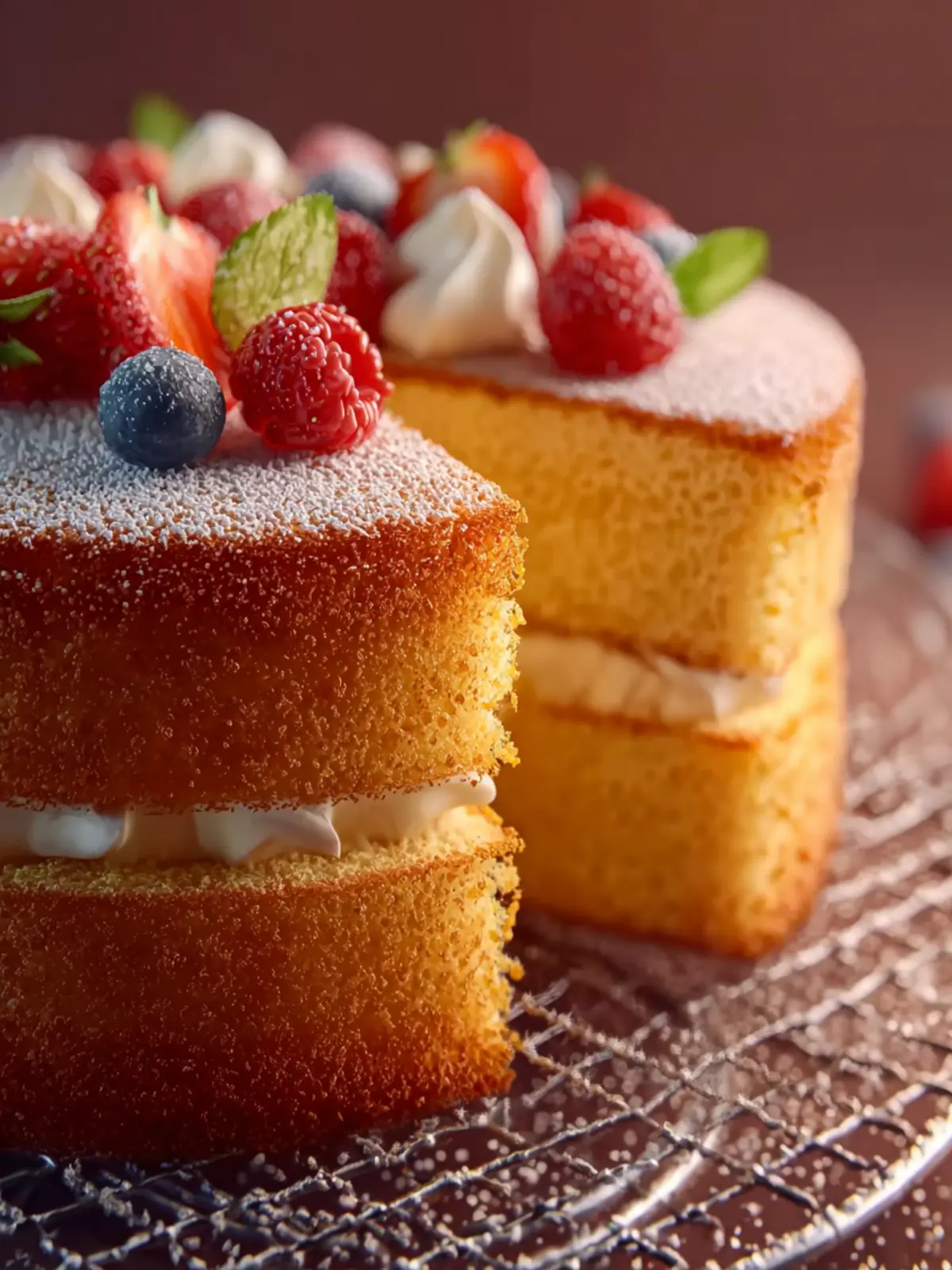
Genoise Sponge Cake: The Best Light and Fluffy Delight

Introduction to Genoise Sponge Cake
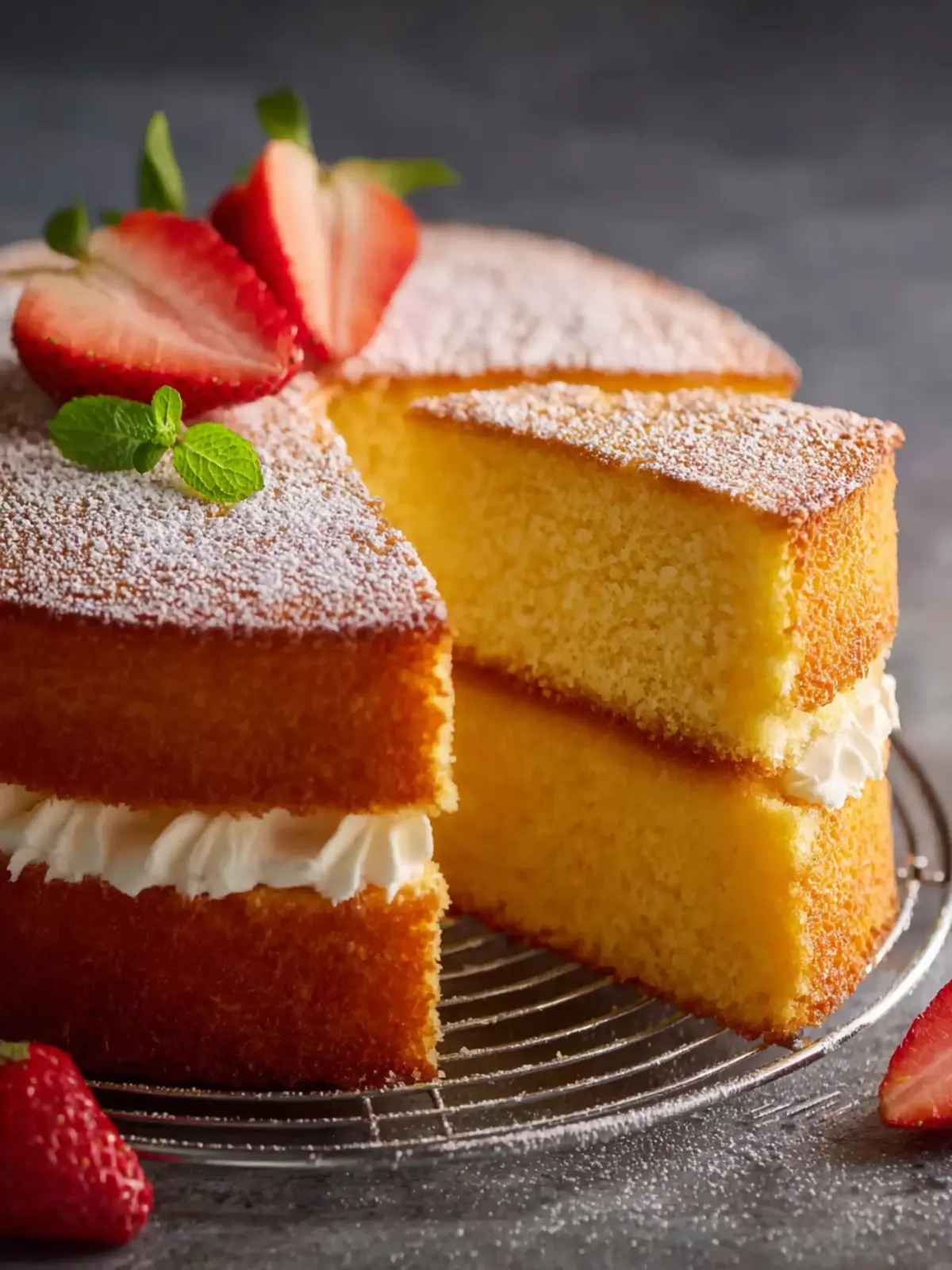
Genoise sponge cake is a delightful cornerstone of many classic desserts, celebrating simplicity while embodying elegance. Imagine a cake so airy and fluffy that each slice practically melts in your mouth, creating a moment of pure indulgence. The magic lies in its method — unlike traditional cakes that rely on chemical leavening, genoise is leavened purely by the incorporation of air into the batter. This technique results in a cake that is not only light but also incredibly versatile, serving as a perfect base for various fillings and toppings.
What is a Genoise Sponge Cake and Why is it Special?
A genoise sponge cake originated in Italy and has found a special place in baking lore around the world. Its unique preparation involves beating eggs and sugar together until they reach a pale, thick consistency before gently folding in flour and melted butter. This process is crucial because it ensures the incorporation of air without deflating the batter, leading to a beautifully risen cake.
One reason why genoise is so special is its adaptability. It can be layered with whipped cream, fresh fruits, or rich chocolate ganache, transforming it into a stunning centerpiece for birthdays, weddings, or any special occasion. Unlike heavier cakes, the genoise sponge is great for soaking up syrups and flavors, making it a favorite for desserts like tiramisu or trifles.
Additionally, its light texture and delightful crumb make it a hit among both novice and experienced bakers. Have you ever found yourself craving a simple dessert that’s both satisfying and impressive? A genoise sponge cake has the unique ability to deliver on both fronts. With a bit of practice, you can master this cake and elevate your baking repertoire, impressing friends and family alike.
As you embark on this cake-making journey, remember that the key to perfecting a genoise lies in patience and technique. Each step, from whisking the eggs to careful folding of ingredients, contributes to the final masterpiece that is not just a cake — it’s a culinary experience waiting to be savored.
Key Ingredients for Genoise Sponge Cake
Genoise sponge cake is a delightful treat that captures the essence of airy perfection, making it a favorite for many bakers. To achieve that ideal light and fluffy texture, you’ll need to gather some essential ingredients.
Eggs: Fresh, room temperature eggs are fundamental in creating the perfect airy structure for this genoise sponge cake. They trap air during whisking, allowing the cake to rise beautifully and achieve that signature fluffiness.
Granulated Sugar: Not only does granulated sugar sweeten the cake, but it also plays a vital role in the volume of the batter. The sugar dissolves and helps create a stable foam, giving the cake its lift.
Cake Flour: Using cake flour is essential due to its low protein content. This ingredient contributes to the light and delicate texture that is integral to a classic genoise, making each bite a joyful experience.
Unsalted Butter: For richness, unsalted butter enhances the flavor of the cake without overpowering its sweetness. Its creamy texture adds to the overall moistness, making it irresistible.
Vanilla Extract: Though optional, a touch of vanilla extract can elevate the flavor profile of your genoise sponge cake, adding an aromatic note that enriches it further.
With these key ingredients, you’re well on your way to mastering the art of baking a sublime genoise sponge cake!
Why You’ll Love This Recipe
Genoise sponge cake is a delightful treat that has captured the hearts of bakers and dessert lovers alike. Its unique ability to pair with a variety of flavors makes it an ideal choice for countless occasions, from birthday celebrations to elegant dinner parties. Picture this: a beautifully layered cake adorned with fresh fruit or a rich chocolate mousse that transforms your gathering into something special.
Versatility of Genoise Sponge Cake
The beauty of genoise sponge cake lies in its versatility. This cake is not just for traditional layered cakes; it can also be used in trifles, parfaits, and many other desserts. Whether you want to create a stunning tiered wedding cake or a simple afternoon treat, this cake can adapt to your imagination.
Light and Airy Texture
If you’ve ever craved a cake that doesn’t weigh you down, the light and airy texture of genoise sponge cake is perfect for you. Unlike denser cake varieties, this sponge cake provides a soft bite that feels almost ethereal, making it ideal for those who prefer a less heavy dessert.
Easy to Customize
One of the most delightful aspects of genoise sponge cake is its adaptability. It works wonderfully with various fillings and frostings, allowing you to express your culinary creativity. From luscious buttercreams to fruity jams, the options are endless. You can easily tailor it to your taste, ensuring that every bite is just the way you love it.
Tips for Making the Perfect Genoise Sponge Cake
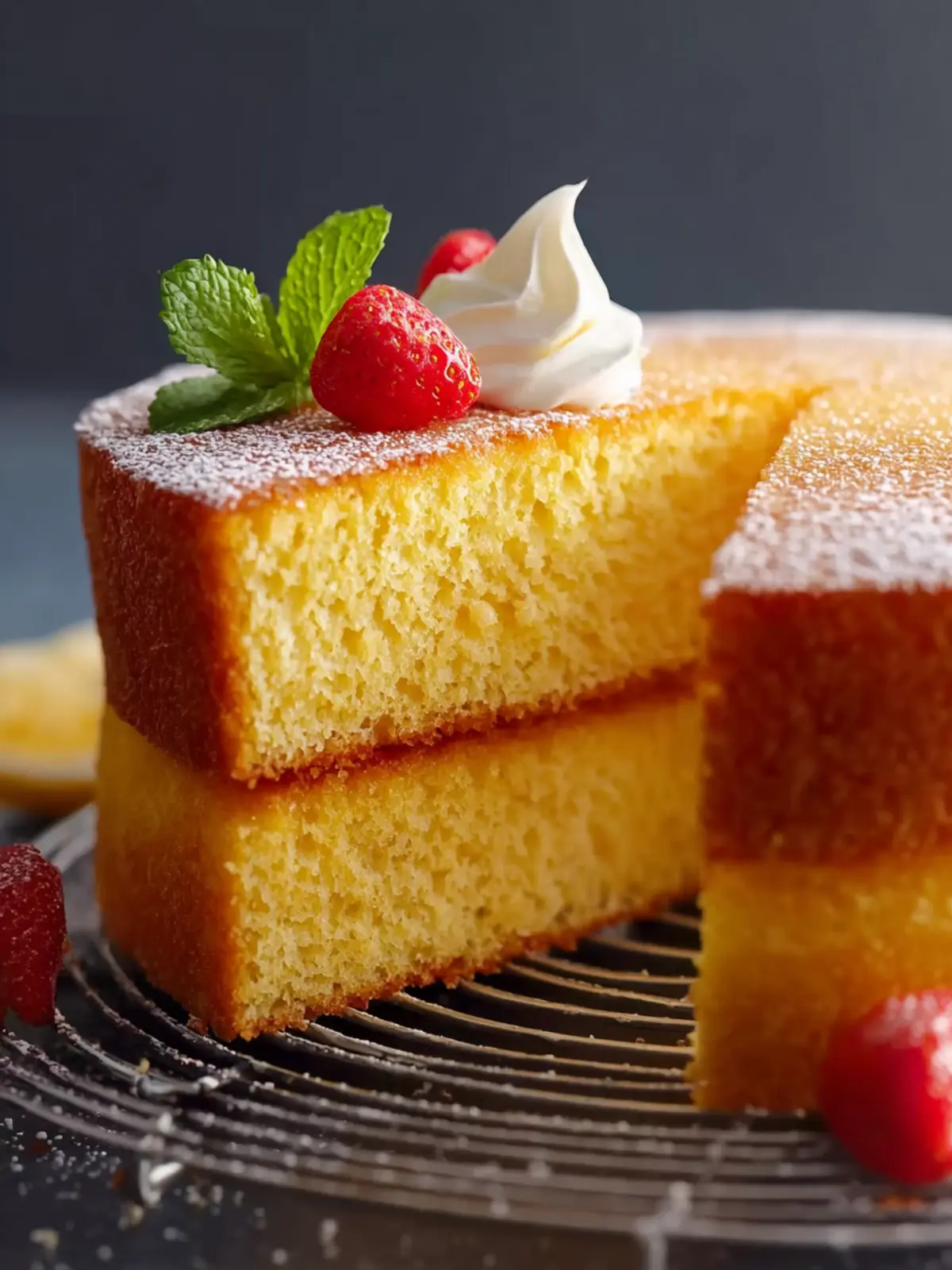
Baking a Genoise sponge cake is a delightful journey that unfolds with each carefully executed step. This Italian classic is celebrated for its light, airy texture, which is entirely dependent on a few key techniques that can elevate your baking prowess.
Prepping Your Ingredients
Start with your eggs! For the best volume, ensure that they are at room temperature. Cold eggs may contribute to a denser batter, preventing your sponge from rising as much as it should. A common rule of thumb is to take them out at least 30 minutes before you start mixing.
Folding Techniques
A crucial part of getting that perfect Genoise sponge cake is mastering the art of folding. Once your egg mixture and flour are combined, use a gentle motion to fold them together. Think of it as cradling the batter, not stirring too vigorously; this helps preserve the air bubbles formed during mixing, ensuring a light and fluffy cake.
Baking Time and Temperature
Understanding your oven can make all the difference. Preheat it to the appropriate temperature (typically around 350°F or 175°C) and keep an eye on baking times, generally ranging from 25 to 30 minutes. Every oven is unique, so perform the toothpick test: if it comes out clean, your cake is perfectly baked!
By focusing on these tips, you’ll not only create a delightful Genoise sponge cake but also gain confidence in your baking skills!
Time Breakdown for Genoise Sponge Cake
When you embark on the delightful journey of creating a genoise sponge cake, it’s essential to plan your time efficiently. This light and airy cake deserve some tender love and care to achieve the perfect fluffiness. Here’s how your time will unfold:
Preparation Time:
Gather your ingredients and equipment, then spend about 15 minutes mixing and preparing the batter.
Baking Time:
The baking process takes approximately 25 minutes. Ensure your oven is preheated to guarantee even baking.
Cooling Time:
Once the cake is baked, allow it to cool for about 10 minutes in the pan, followed by transferring it to a rack for an additional 45 minutes. This step is vital for achieving that ideal texture.
Total Time:
In total, you’ll invest about 1 hour and 35 minutes from start to finish. Patience will reward you with a beautifully light and delicate genoise sponge cake!
Nutritional Facts for Genoise Sponge Cake
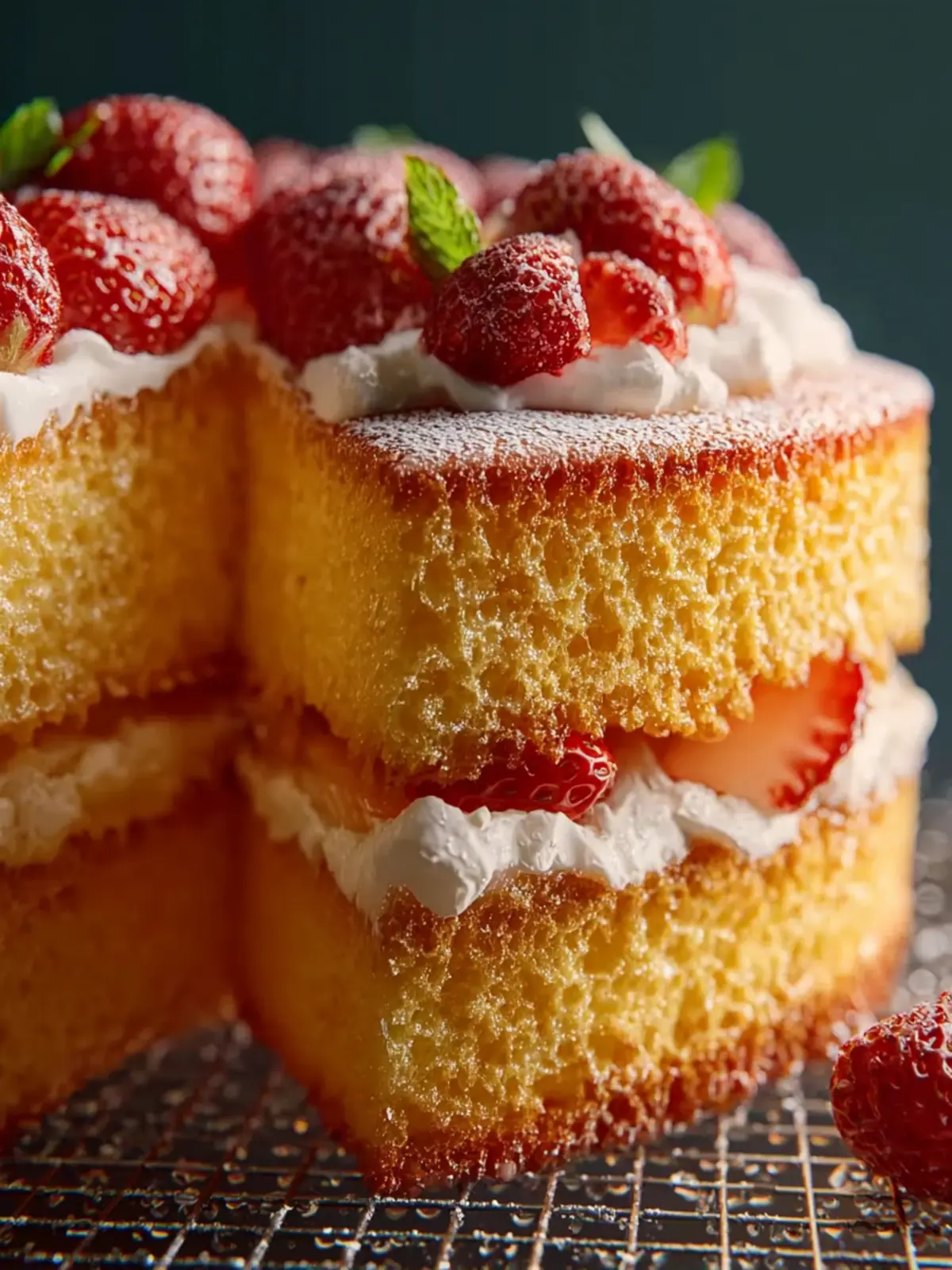
Understanding the nutritional facts of a classic genoise sponge cake can transform how you enjoy this delectable treat. It’s not just a sweet indulgence; knowing what’s in it can help you savor every bite more meaningfully.
Calories:
A serving of genoise sponge cake typically contains around 120-150 calories. This makes it a delightful option for a light dessert without feeling overly guilty.
Total Fat:
The cake holds about 5 grams of total fat per slice, primarily derived from the eggs used in the recipe, contributing to its moist texture.
Carbohydrates:
Per serving, expect approximately 17-20 grams of carbohydrates. This is mainly from the sugar and flour, creating that light, airy quality we love in sponge cakes.
Protein:
You’ll find around 3 grams of protein in a slice of genoise sponge cake, thanks to the eggs, which also add essential amino acids to your dessert.
Enjoying genoise sponge cake is about more than just taste; it’s a delightful blend of flavors and textures that offers a satisfying experience while keeping things balanced nutritionally.
FAQs about Genoise Sponge Cake
When diving into the world of baking, the Genoise sponge cake holds a special place, beloved for its light texture and versatility. But as you embark on your culinary adventure, you may find yourself pondering a few common questions about this delightful treat.
What makes Genoise different from other sponge cakes?
Unlike typical sponge cakes that often require baking powder, Genoise sponge cake achieves its airy structure solely through the incorporation of air into the egg mixture. This means it’s essential to whip the eggs and sugar together until they reach the ribbon stage, creating that light, fluffy texture that sets Genoise apart. Furthermore, it involves melting butter and combining it carefully to maintain that ethereal quality.
How do I store leftover Genoise cake?
To keep your Genoise sponge cake fresh, wrap it tightly in plastic wrap and store it at room temperature for up to two days. If you need a longer shelf life, consider refrigerating it for up to a week. Just be mindful that refrigeration can slightly alter the texture. When enjoying it later, let it come back to room temperature for the best flavor experience.
Can I make this cake gluten-free?
Absolutely! You can create a delightful gluten-free Genoise sponge cake by substituting all-purpose flour with a gluten-free blend. Look for blends designed for baking to ensure the right texture and rising capabilities. You may also want to experiment with almond flour for a nutty twist.
What can I do with leftover Genoise sponge?
Don’t let any leftover Genoise sponge cake go to waste! Consider transforming it into a delightful trifle layered with fresh fruits and whipped cream, or dice it up and use it as a base for cake pops. In addition, it can be crumbled to create cake crumbs for decorating other desserts or even turned into French toast for a delicious breakfast twist. The possibilities are endless!
Conclusion on Genoise Sponge Cake
A delightful genoise sponge cake is like a blank canvas ready for your creative touch. This airy and light cake lends itself beautifully to various flavors and fillings, making it perfect for celebrations or simply enjoying with a cup of tea. By mastering this classic recipe, you not only gain a foundation for an array of desserts but also immerse yourself in the joy of baking. Remember, the secret lies in the technique—whipping those eggs to the perfect volume will yield a cake that’s spongey and tender. So, roll up your sleeves and bring a taste of Italy into your kitchen!
Print
Genoise Sponge Cake
- Total Time: 45 minutes
- Yield: 8 servings 1x
- Diet: Vegetarian
Description
A light and airy sponge cake perfect for layering with fruit and cream.
Ingredients
Scale
- 4 large eggs, room temperature
- 120g (½ cup + 1 tbsp) granulated sugar
- 120g (1 cup) cake flour, sifted
- 30g (2 tbsp) unsalted butter, melted and cooled
- 1 tsp vanilla extract (optional)
Instructions
- Prepare your tools and ingredients: Start by preheating your oven to 350°F (175°C). Grease and line an 8-inch round cake pan with parchment paper. This ensures easy release and even baking. Use eggs that are truly at room temperature—this helps them whip to maximum volume. I like to place them in warm water for 10 minutes if I forget to set them out.
- Whip the eggs and sugar: In a large mixing bowl, combine the eggs and sugar. Using a hand or stand mixer, beat the mixture on high speed for 8 to 10 minutes, or until it triples in volume and becomes pale and thick. You’ll know it’s ready when the batter falls in thick ribbons and slowly dissolves on the surface. This stage is crucial—this is where you’re building the structure and height of your Genoise sponge.
- Fold in the flour: Sift the cake flour over the egg mixture in two additions. Gently fold with a spatula after each addition, taking care not to deflate the air you worked so hard to create. Use a lifting-and-turning motion rather than stirring.
- Add melted butter and vanilla: Take a small amount of the batter and mix it with the cooled melted butter. Then gently fold this back into the main batter, along with the vanilla extract if using. This step helps incorporate the butter evenly without deflating the batter.
- Bake the cake: Pour the batter into your prepared pan and smooth the top with a spatula. Tap the pan gently on the counter to remove large air bubbles. Bake for 25–30 minutes or until the top is golden and the center springs back lightly when touched. A toothpick inserted into the center should come out clean.
- Cool and release: Let the cake cool in the pan for 5–10 minutes before turning it out onto a wire rack. Peel off the parchment and allow it to cool completely before slicing or decorating.
Notes
- Ensure all ingredients are at room temperature for the best results.
- Monitor the baking time closely as ovens may vary, checking for doneness with a toothpick.
- Prep Time: 15 minutes
- Cook Time: 30 minutes
- Category: Dessert
- Method: Baking
- Cuisine: Italian
Nutrition
- Serving Size: 1 slice
- Calories: 120
- Sugar: 10g
- Sodium: 100mg
- Fat: 6g
- Saturated Fat: 4g
- Unsaturated Fat: 2g
- Trans Fat: 0g
- Carbohydrates: 15g
- Fiber: 0g
- Protein: 3g
- Cholesterol: 100mg