Follow Me On Social Media!

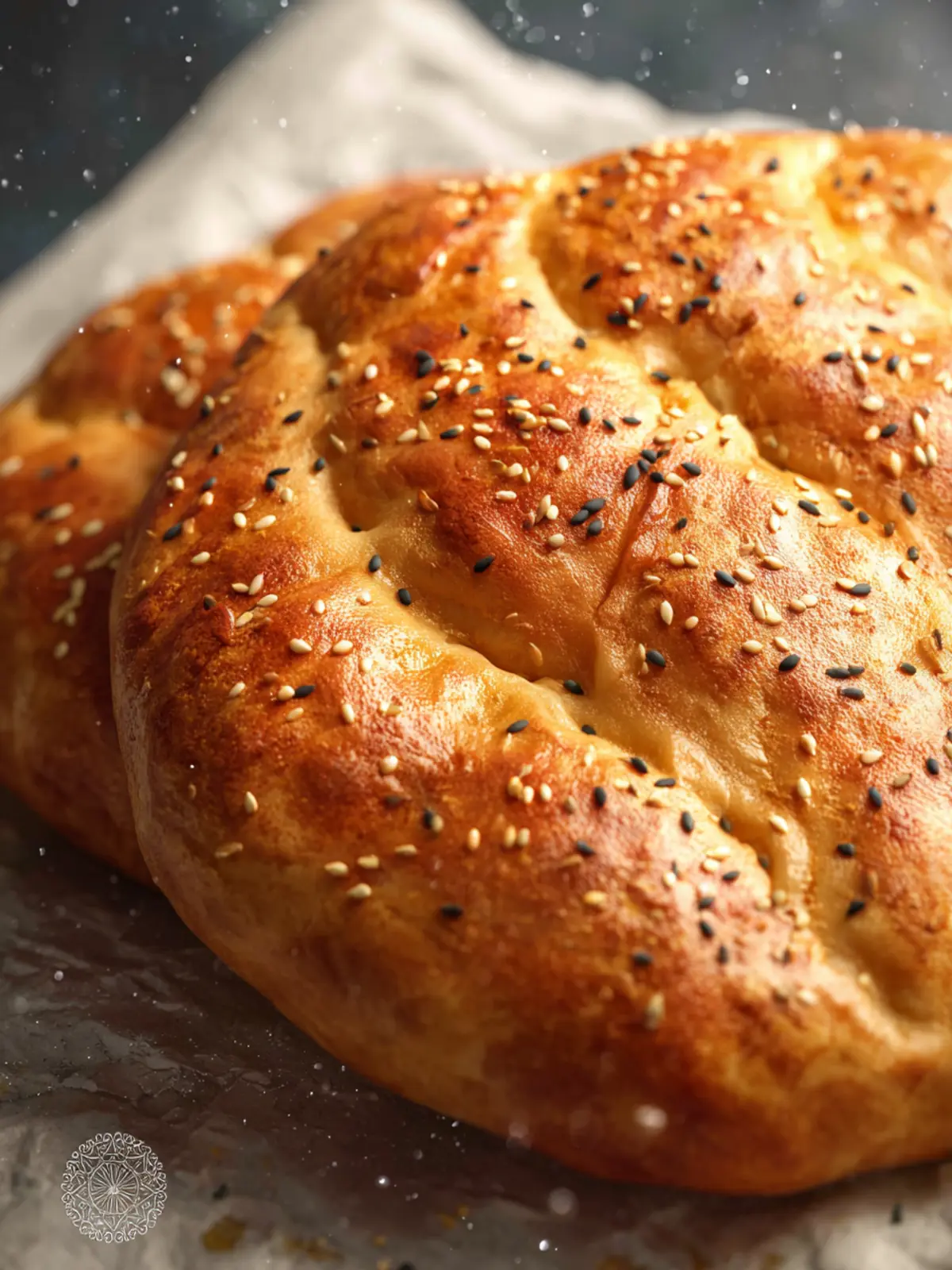
Turkish Ramadan Bread: The Best Fluffy Recipe You’ll Love

Introduction to Turkish Ramadan Bread
There’s something undeniably magical about the experience of breaking fast during Ramadan, and at the heart of that tradition lies Turkish Ramadan bread, known locally as “pide.” This round, fluffy bread is not just a culinary staple; it’s a symbol of community, blessing, and a time to come together with family and friends. Each bite gives comfort and warmth, reminding us of shared meals and cherished moments.
In Turkey, the atmosphere during Ramadan is vibrant; streets are filled with the aromas of spices and baking bread, enticing passersby to stop and indulge. Turkish Ramadan bread is especially prepared during this holy month, reflecting the spirit of generosity and sharing. When the sun sets, families eagerly gather around the table, the centerpiece often being a freshly baked loaf of this delightful bread, perfect for pairing with a range of dishes from savory stews to sweet jams.
Why is Turkish Ramadan Bread a beloved staple?
The charm of Turkish Ramadan bread goes beyond its taste. This bread is often seen as a symbol of gratitude and abundance during a month dedicated to self-reflection and community. The act of breaking bread brings people together, fostering connections among loved ones and neighbors alike.
-
Cultural Significance: The tradition of sharing bread during Ramadan is deeply rooted in Turkish culture. Its soft, pillowy texture is a perfect way to symbolize growth and sustenance during a time of fasting.
-
Versatility: This bread can accompany countless dishes, whether dipped in olive oil, served with meats, or enjoyed with sweet toppings. Its mild flavor profile makes it a versatile addition to any meal.
-
Craftsmanship: The process of making Turkish Ramadan bread is an art form. From kneading the dough to shaping it by hand, there’s a sense of pride in crafting this beloved loaf that transcends generations.
At its core, Turkish Ramadan bread is not just food; it’s a heartfelt gesture during a sacred time, uniting people through shared experiences and the simple pleasure of a delicious meal. If you’re curious to create this special bread in your own kitchen, you’re in for a treat that will bring the spirit of Ramadan right to your dining table.
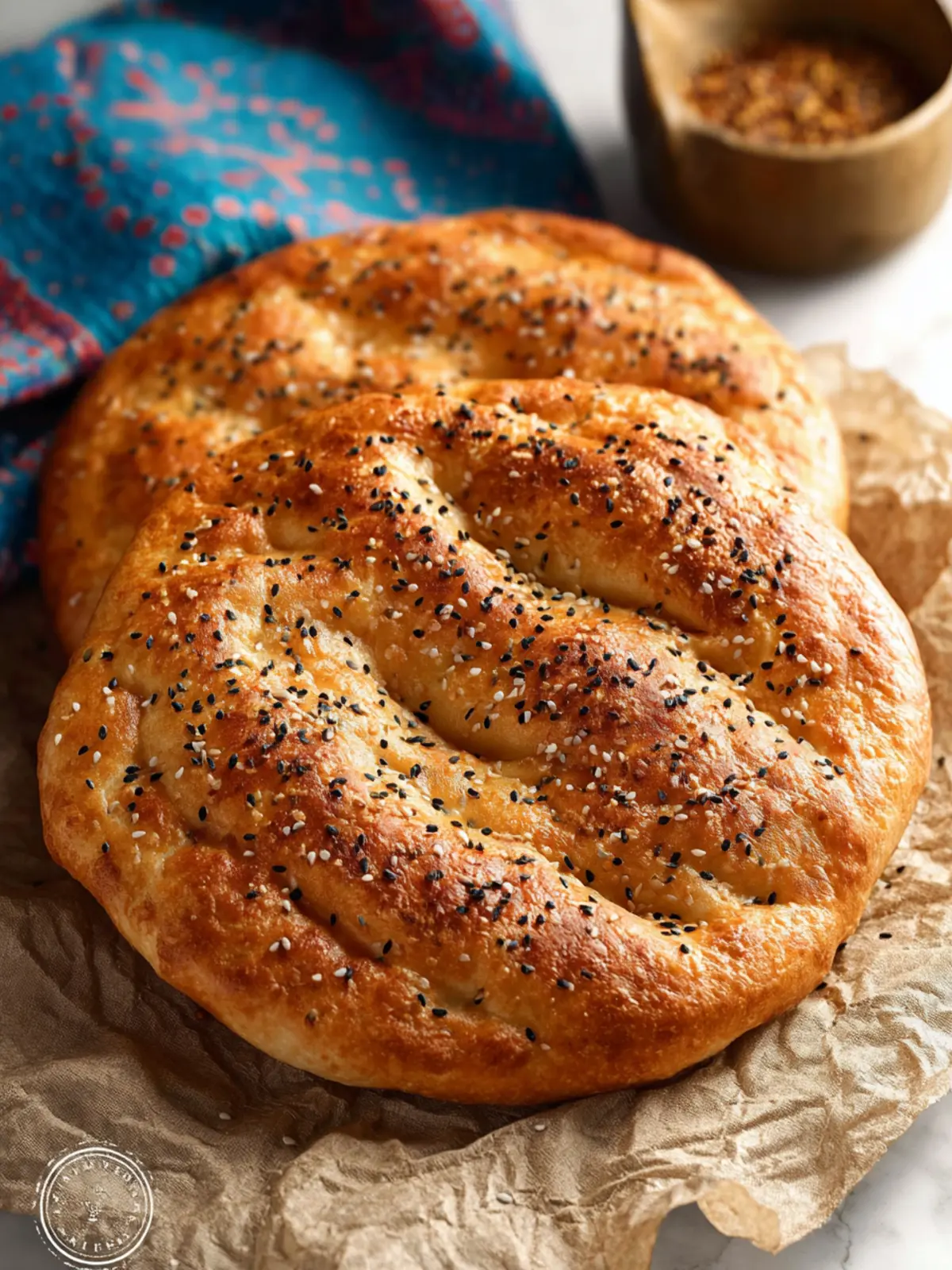
Key Ingredients for Turkish Ramadan Bread
In crafting Turkish Ramadan Bread, each ingredient tells a story of tradition, culture, and family gatherings during this holy month. Let’s dive into these key components that bring this delightful bread to life.
-
Flour: The backbone of any bread, I prefer using a high-gluten all-purpose flour for that perfect chewy texture. It elevates the bread, giving it the stability needed for tearing and sharing during iftar.
-
Yeast: Fresh yeast is my go-to for a rich, fermented flavor that gives Turkish Ramadan Bread its airy structure. If fresh isn’t available, active dry yeast does an admirable job too—just ensure it’s fresh!
-
Oil and Butter: These fats add depth of flavor and moisture. A blend of olive oil and unsalted butter creates a wonderfully rich taste while maintaining that much-coveted softness.
-
Milk and Yogurt: Incorporating milk adds creaminess, while yogurt not only enhances flavor but also contributes to the bread’s tender crumb. The tang from yogurt is a lovely contrast to the sweetness of the bread.
-
Sugar: A touch of sugar balances the flavors, helping with fermentation while adding a subtle sweetness that makes each bite irresistible, especially when warm.
-
Salt: A critical seasoning that enhances all the flavors, making sure every element shines through.
With these simple yet vital ingredients in hand, you’re on your way to making an authentic Turkish Ramadan Bread that’ll bring everyone to the table!
Why You’ll Love This Turkish Ramadan Bread
Every time I make Turkish Ramadan Bread, the delightful aroma fills my kitchen, transporting me to bustling marketplaces where families gather to break their fast with fresh, warm bread. This traditional bread is not just a recipe; it’s a beautiful expression of community and shared moments during Ramadan.
One of the standout features of this Turkish Ramadan Bread is its incredible texture. The dough rises beautifully, resulting in a soft, fluffy interior that’s a joy to tear and share. The golden crust adds a satisfying crunch that perfectly complements various spreads or dips, enhancing your meal experience.
-
Versatility: Use it as a side to your iftar meal or as a base for delicious sandwiches. Whether you’re enjoying some meze or preparing a savory tart, this bread fits seamlessly into any dish.
-
Nutritional Benefits: Made with simple, wholesome ingredients, this bread is a great source of energy and ensures you feel satisfied after a long day of fasting.
-
Family Tradition: Baking this bread can become a cherished activity, where loved ones can join in, making the process joyful and collaborative.
There’s something uniquely satisfying about making your own Turkish Ramadan Bread. Each bite embodies the warmth and togetherness of Ramadan, making it more than just a meal but a beloved tradition. Prepare to fall in love with this recipe and create lasting memories around your dining table.
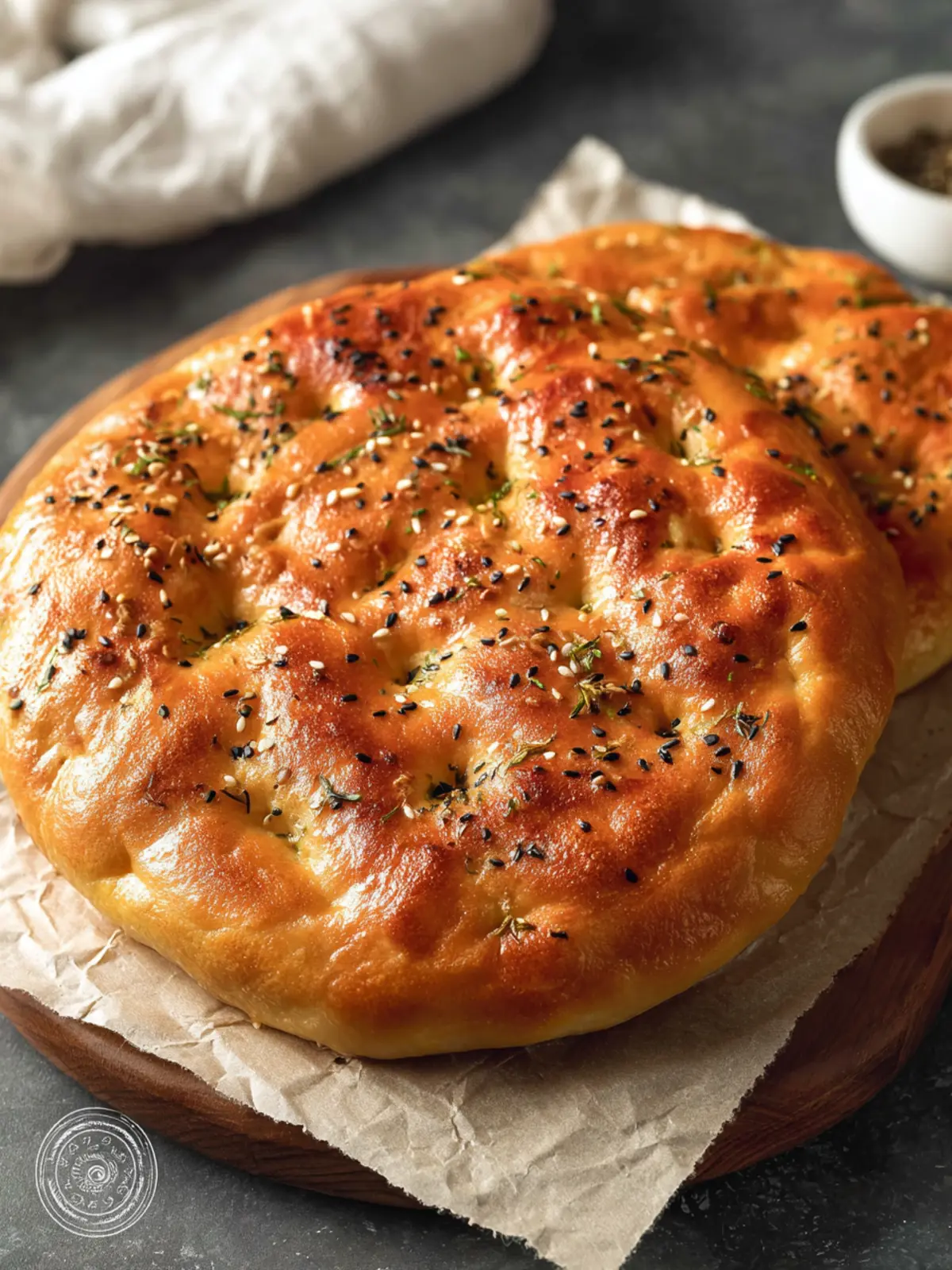
Tips for Making Perfect Turkish Ramadan Bread
Creating Turkish Ramadan bread is a cherished tradition that brings families together during the festive month. Tending to this delicious ritual can be an art, but with a few simple tips, you can elevate your baking game. Here are some steps to ensure your bread not only looks beautiful but tastes divine.
Start with Quality Ingredients
Using high-quality ingredients is key. For flour, choose bread flour instead of all-purpose. It has a higher protein content, which gives your Turkish Ramadan bread that delightful chewiness. Fresh yeast is preferable for a more robust flavor and better rise.
Kneading Technique Matters
When kneading your dough, give it time. Aim for at least 10 minutes of kneading to develop gluten, which adds structure. A well-kneaded dough is essential for that soft, pillow-like texture. Don’t rush this step; think of it as a mini workout!
The Right Rising Environment
Creating the perfect environment for your dough to rise is crucial. Place your dough in a warm area with minimal drafts, such as an oven that’s turned off but slightly warmed. Cover it with a damp cloth to keep it from drying out. A double rise will result in a lighter and airier bread.
Mastering the Toppings
Dress your Turkish Ramadan bread with sesame or black seeds just before baking. This not only enhances flavor but adds that traditional touch. For a shiny finish, lightly brush the tops with an egg wash made from beaten eggs and a splash of milk.
By following these tips, your Turkish Ramadan bread will become a highlight at your Iftar table, perfect for sharing with loved ones. Happy baking!
Time Breakdown for Turkish Ramadan Bread
When it comes to preparing Turkish Ramadan Bread, understanding the time commitment can help you plan your day better and truly savor the moment this aromatic bread fills your kitchen. Each step is essential, adding to its unique taste and texture.
Preparation Time
The initial preparation takes about 20 minutes. This includes gathering your ingredients, mixing the dough, and getting everything ready for the rising phase.
Rising Time
Letting your dough rise is crucial for achieving that soft, fluffy texture. Allow it to rest for approximately 1 hour or until it doubles in size. This step is where the magic happens.
Baking Time
Once your dough has risen, the baking process takes around 25 minutes. Preheat your oven to ensure an even and golden finish.
Total Time
In total, you’ll spend about 1 hour and 45 minutes from start to finish, but the rewarding aroma and flavor of homemade Turkish Ramadan Bread make it well worth the wait!
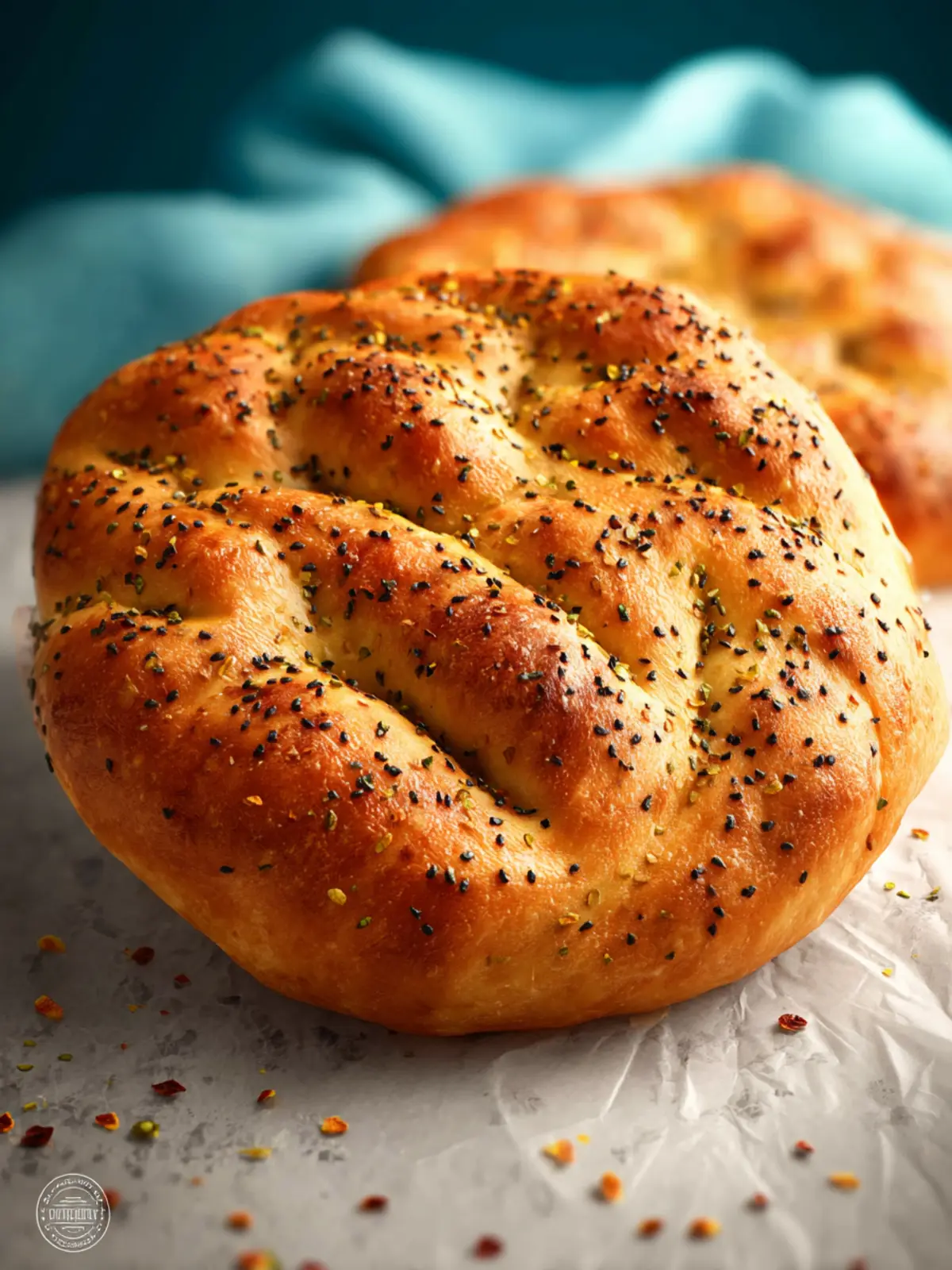
Nutritional Facts for Turkish Ramadan Bread
Understanding Turkish Ramadan Bread goes beyond just enjoying its delightful taste; it involves appreciating its nutritional profile as well. Here’s a quick dive into the nutritional benefits!
Calories
One serving of Turkish Ramadan Bread typically contains around 170 calories. This makes it a satisfying yet reasonable choice for breaking your fast, particularly if you’re looking for a carb-rich option.
Protein
Packed with about 6 grams of protein per serving, Turkish Ramadan Bread offers a good boost for your body, helping keep your energy levels up during Ramadan. This protein content can support muscle repair and growth, making it a great addition to your iftar meals.
Sodium
With a sodium content of approximately 300 milligrams per serving, Turkish Ramadan Bread is relatively moderate in salt. This allows you to indulge without worrying excessively about your sodium intake, especially important during the fasting month.
Enjoying this traditional bread during Ramadan not only enhances your culinary experience but also gives you essential nutrients to keep you going throughout the day!
FAQs about Turkish Ramadan Bread
Making Turkish Ramadan bread at home is not just about the recipe; it’s about the joy it brings to your table and the traditions it represents. As you delve into the world of this delightful bread, you might have a few questions. I’m here to help answer them!
What is the best way to store Turkish Ramadan Bread?
To keep your Turkish Ramadan bread fresh and flavorful, store it in an airtight container at room temperature for up to three days. If you want to preserve the bread for a longer period, wrapping it in aluminum foil or plastic wrap before placing it in a bread box is ideal. This prevents it from drying out while maintaining its delightful texture.
Can I freeze Turkish Ramadan Bread?
Absolutely! Freezing Turkish Ramadan bread is a great way to extend its shelf life. Just ensure it’s fully cooled, then wrap it tightly in plastic wrap and place it in a freezer-safe bag. When you’re ready to enjoy it, simply thaw it at room temperature or warm it gently in the oven. You’ll be amazed at how well it retains its original flavor and softness!
How do I know when the bread is fully baked?
To determine if your Turkish Ramadan bread is fully baked, listen for the hollow sound when you tap the bottom of the loaf. Additionally, the top should be golden and slightly firm to the touch. A temperature probe can be helpful too; a fully baked bread should reach an internal temperature of about 190°F (88°C). Following these guidelines will ensure a perfectly baked loaf every time!
Conclusion on Turkish Ramadan Bread
Crafting Turkish Ramadan bread is more than just baking; it’s about preserving a delightful tradition that brings people together during the holy month. This bread, with its aromatic spices and fluffy texture, serves as a centerpiece for many iftar tables. Imagine breaking your fast with a warm piece of this bread, rich in flavors and memories.
As you dive into making this recipe, take your time and savor the process—you might rediscover the magic of homemade bread! Whether it’s paired with your favorite meal or enjoyed simply with tea, each bite of Turkish Ramadan bread is a celebration of community and cuisine that you’ll cherish year after year.
Print
Homemade Pides
- Total Time: 1 hour 35 minutes
- Yield: 2 loaves 1x
- Diet: Vegetarian
Description
Delicious homemade pides that are soft and golden brown.
Ingredients
Scale
- 3 cups all-purpose flour
- 1 ½ teaspoons salt
- 1 tablespoon granulated sugar
- 1 teaspoon instant yeast
- 1 cup warm milk
- ¼ cup extra virgin olive oil (or melted butter/ghee or vegetable oil)
- 1 egg yolk
- 1 tablespoon milk (or heavy cream or yogurt)
- 1 teaspoon toasted sesame seeds
- 1 teaspoon nigella seeds
Instructions
- In a large bowl, combine the flour, salt, sugar, and instant yeast. Add the warm milk and olive oil to the dry ingredients.
- Knead the mixture until a soft, slightly sticky dough forms, about 8-10 minutes by hand or 5 minutes with a stand mixer.
- Cover the bowl with a damp cloth or plastic wrap and let the dough rise in a warm place for about 1 hour, or until doubled in size.
- Punch down the risen dough and divide it into two equal portions. Shape each portion into a 6 or 7 inch round loaf.
- Place the shaped loaves on a parchment-lined baking tray. Cover them loosely with plastic wrap or a damp cloth and let them rest for 15–20 minutes.
- Preheat your oven to 200°C (400°F) or 180°C for a fan oven.
- In a small bowl, mix the egg yolk with the milk to create an egg wash.
- Use your fingers to press dimples into the surface of each loaf to create a pattern. Brush the loaves generously with the egg wash.
- Sprinkle the tops with toasted sesame and nigella seeds. Transfer the tray to the oven and bake for 18-20 minutes, or until the pides are golden brown and cooked through.
- Remove the baked pides from the oven and let them cool slightly on a wire rack before serving.
Notes
- For a richer flavor, you can substitute the olive oil with melted butter or ghee.
- Make sure the milk is warm, but not hot, as it can kill the yeast.
- Feel free to experiment with toppings like cheese or herbs.
- Prep Time: 15 minutes
- Cook Time: 20 minutes
- Category: Bread
- Method: Baking
- Cuisine: Turkish
Nutrition
- Serving Size: 1 loaf
- Calories: 200
- Sugar: 1g
- Sodium: 300mg
- Fat: 8g
- Saturated Fat: 1g
- Unsaturated Fat: 5g
- Trans Fat: 0g
- Carbohydrates: 30g
- Fiber: 1g
- Protein: 5g
- Cholesterol: 20mg